Amidha Ayurveda

Showing posts with label Ayurveda Lifestyle. Show all posts

30/05/25

Abhyanga: The Ultimate Guide to Ayurvedic Self-Massage for Healing

Abhyanga: The Ultimate Guide to Ayurvedic Self-Massage for Healing

This comprehensive guide to Abhyanga explores the ancient Ayurvedic ritual of self-massage. Discover its profound benefits for stress relief and detoxification, learn how to choose the right oil for your dosha, and follow our step-by-step instructions for this transformative self-care practice.

In our fast-paced world, the concept of self-care is often relegated to an occasional luxury. Yet, in the 5,000-year-old tradition of Ayurveda, it is a non-negotiable daily practice. At the heart of this tradition lies Abhyanga (अभ्यङ्ग), the ancient ritual of anointing the body with warm, herbal oil. More than just a massage, Abhyanga is a profound act of self-love, a moving meditation that grounds the nervous system, nourishes the tissues, and reconnects you to your body's innate wisdom.

The Sanskrit word for oil, *Sneha*, is also the word for love. Thus, the act of Abhyanga is seen as saturating the body with love and care. This guide will walk you through everything you need to know to incorporate this deeply healing and rejuvenating practice into your life, transforming a simple routine into a cornerstone of your holistic wellness journey.
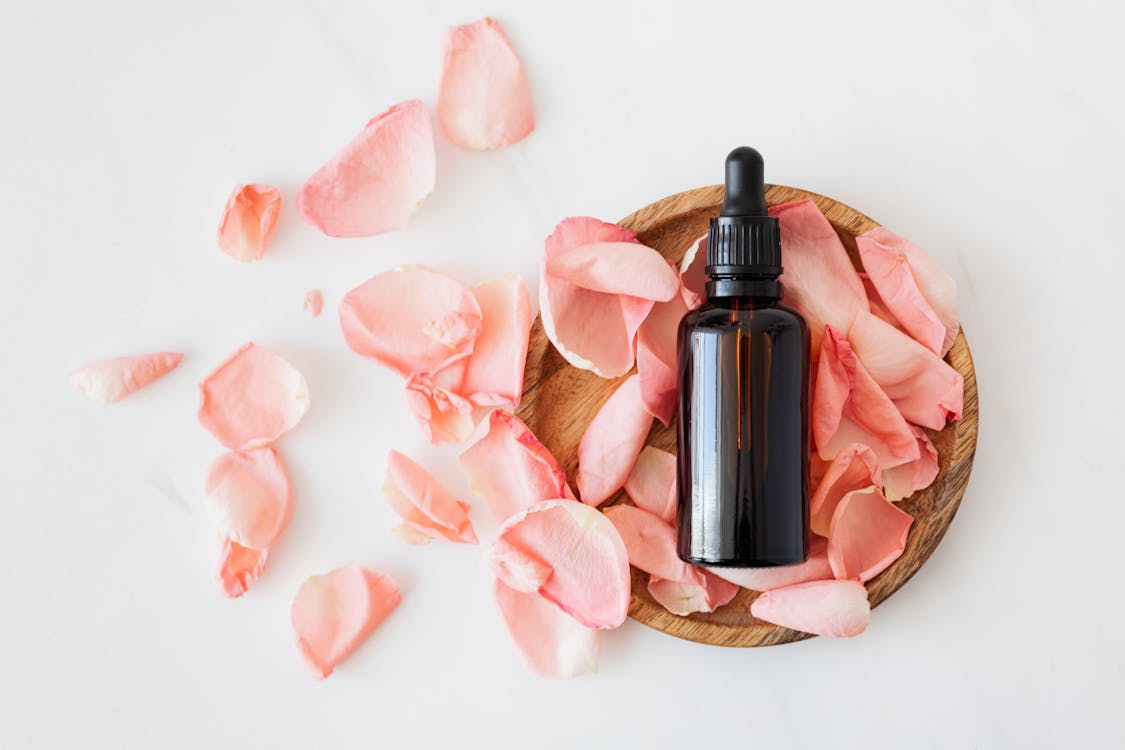
A serene display of Ayurvedic massage oils in bottles, representing the practice of Abhyanga for holistic wellness.

What is Abhyanga? More Than Just a Massage

Abhyanga is the Ayurvedic practice of warm oil self-massage, a key component of Snehana (oleation therapy). Unlike modern massage techniques that often focus on deep muscle manipulation, Abhyanga uses rhythmic, gentle strokes to cover the entire body. Its primary purpose is to pacify Vata dosha, the energy of movement, which governs the nervous system and is prone to causing anxiety, dryness, and instability when imbalanced.

The skin, our largest organ, is highly permeable and a major gateway to the body's deeper tissues. Ayurveda teaches that applying warm, medicated oil to the skin allows its nourishing and grounding qualities to penetrate all seven layers of tissue (the *Saptadhatus*). This holistic healing practice lubricates the body from the outside in, providing a powerful antidote to the stress and dryness of modern life. It is a foundational practice in the Ayurvedic daily routine (Dinacharya) for promoting health and longevity.

"Abhyangam acharet nityam sa jara shram vataha | Drishti prasad pushti ayu swapna sutvak dradhyakrit ||" - Ashtanga Hridayam

This verse translates to: "One who does Abhyanga daily wards off old age, exhaustion, and aggravation of Vata. It bestows good vision, nourishment to the body, long life, good sleep, and healthy, strong skin."

The Top 10 Benefits of a Daily Abhyanga Practice

The consistent practice of Abhyanga offers a vast array of benefits that touch every aspect of our physical, mental, and emotional well-being. According to classical Ayurvedic texts, this daily self-care ritual is an investment in your long-term health and vitality.

  1. Profoundly Calms the Nervous System: The warm oil and rhythmic strokes are deeply soothing to the nervous system, directly pacifying Vata dosha. This reduces stress, anxiety, and feelings of being overwhelmed, promoting a state of calm resilience.
  2. Nourishes All Body Tissues (Dhatus): Abhyanga provides deep nourishment to all seven layers of the body's tissues, from plasma to reproductive fluid, enhancing strength and building *Ojas* (vitality).
  3. Improves Skin Health and Luster: This is the ultimate Ayurvedic practice for healthy skin. It lubricates and moisturizes, improves complexion, reduces wrinkles, and imparts a radiant, youthful glow.
  4. Enhances Blood and Lymphatic Circulation: The massage strokes stimulate circulation, helping to deliver nutrients to cells more efficiently and promoting lymphatic drainage, which is crucial for detoxification and a healthy immune system.
  5. Promotes Deeper, More Restful Sleep: By calming the mind and relaxing the body, a daily or nightly Abhyanga can significantly improve sleep quality and combat insomnia.
  6. Increases Joint and Muscle Flexibility: Oiling the joints lubricates them, reduces stiffness, and enhances their range of motion. It also helps release tension from muscles, preventing aches and pains.
  7. Boosts Stamina and Reduces Fatigue: By pacifying Vata, the primary dosha responsible for fatigue and exhaustion, Abhyanga helps to build and sustain energy levels throughout the day.
  8. Supports Systemic Detoxification: The practice helps to loosen and dislodge deep-seated metabolic waste (*Ama*) from the tissues, moving it into the gastrointestinal tract for elimination.
  9. Slows the Aging Process (Rasayana): As a powerful Rasayana (rejuvenation) therapy, daily Abhyanga is celebrated for its ability to preserve youthfulness and slow down the degenerative processes of aging.
  10. Cultivates Self-Love and Body Awareness: The simple act of taking time each day to lovingly anoint your body fosters a deeper connection and appreciation for yourself, which is a powerful form of mental and emotional healing.
A person in a relaxed and grounded yoga pose, embodying the sense of calm promoted by the Ayurvedic practice of Abhyanga.

Choosing the Right Oil for Your Dosha

The choice of oil is a critical component of an effective Abhyanga, as the qualities of the oil should balance your unique constitution (Prakriti) or your current state of imbalance (Vikriti). Using the wrong oil can potentially aggravate a dosha. Not sure about your dosha? Discover your unique constitution with our in-depth Prakriti Quiz.

For Vata Dosha (Tendency for Dryness, Cold)

To balance Vata's cool, dry, and light qualities, you need an oil that is warming, heavy, and moisturizing. The undisputed king of oils for Vata is **warm, organic, untoasted Sesame Oil**. Its inherent qualities are a direct antidote to Vata's tendencies. Other excellent choices include almond oil and avocado oil. Explore more in our complete guide to Vata dosha.

For Pitta Dosha (Tendency for Heat, Sensitivity)

To balance Pitta's hot, sharp, and intense nature, you need an oil that is cooling and calming. **Organic Coconut Oil** is the ideal choice due to its powerful cooling potency (*virya*). It helps soothe skin inflammation, calm irritability, and cool excess heat. Sunflower oil is another good, slightly less cooling option. Learn more in our guide to Pitta dosha.

For Kapha Dosha (Tendency for Oiliness, Congestion)

To balance Kapha's heavy, cool, and oily qualities, you need an oil that is light, warming, and stimulating. A lighter oil like **organic Sunflower oil or Safflower oil** is often best. Warming **Mustard oil** can also be used, especially in colder weather. For Kapha, it is recommended to use less oil and apply it with more vigorous, stimulating strokes. Read more in our guide to Kapha dosha.

A Step-by-Step Guide to Performing Abhyanga

Create a sacred space for your Abhyanga by setting aside 15-20 minutes in a warm, draft-free room where you can be undisturbed. This is your time for deep self-nourishment.

  1. Warm Your Oil: Pour about 1/4 cup of your chosen oil into a heat-safe bottle or cup. Place this container in a bowl of hot water until the oil is pleasantly warm. Always test the temperature on your inner wrist before applying.
  2. Begin with Your Head (Shiro Abhyanga): Pour a small amount of oil onto the crown of your head (the Adhipati marma point) and massage it into your scalp with your fingertips in circular motions. This step is incredibly calming for the mind.
  3. Anoint Your Face and Ears: Gently massage your face, forehead, temples, and jaw. Spend a moment massaging your outer ears and earlobes.
  4. Massage Your Limbs: Use long, sweeping strokes on your arms and legs and circular strokes on your joints (shoulders, elbows, wrists, hips, knees, and ankles). Always massage in the direction of your heart to support circulation.
  5. Care for Your Torso: Use large, clockwise, circular motions over your abdomen. This follows the path of digestion and is very soothing for the internal organs. Use gentle, circular strokes over your heart and broad, horizontal strokes across your chest.
  6. Attend to Your Back and Spine: Reach as far as you can and use long, vertical strokes along your spine and lower back to release tension.
  7. Nourish Your Feet (Padabhyanga): Spend a few minutes giving your feet a thorough massage. The feet contain numerous vital energy points (marmas) that connect to the entire body.
  8. Rest and Absorb: Sit or lie down on a dedicated Abhyanga towel for 5-15 minutes. This allows the oil to penetrate the deeper layers of your tissues and the nervous system to fully relax.
  9. Bathe or Shower: Take a warm (not hot) bath or shower. Use a mild, natural soap only on necessary areas, allowing a thin, protective layer of oil to remain on your skin. Pat yourself dry gently.

Frequently Asked Questions

How often should I practice Abhyanga?

For the most profound benefits, especially for pacifying Vata dosha, daily practice is recommended in the classical texts. However, even practicing Abhyanga 3-4 times a week can provide substantial improvements in your physical and mental well-being. Consistency is key.

What if I'm too busy for a full-body massage every day?

If time is limited, a simplified Abhyanga focusing on key areas is still highly beneficial. A 5-minute massage concentrating on the head (Shiro Abhyanga), ears (Karna Purana), and feet (Padabhyanga) can be incredibly grounding and calming for the nervous system.

When should Abhyanga be avoided?

It's important to avoid Abhyanga during acute illness such as a fever, cold, or flu. It should also be avoided during acute indigestion, right after a meal, during menstruation (especially the first few days), or over any infected or broken skin. A study in the Journal of Ayurveda and Integrative Medicine discusses some of these traditional considerations.

Can I use herb-infused oils for Abhyanga?

Absolutely. Using oils that have been medicated with dosha-specific herbs can significantly enhance the therapeutic effects of your massage. Common herbs like Ashwagandha, Brahmi, and Bala are often infused into base oils to target specific imbalances. You can explore many of these botanicals in our Herb Database.

Personal Note from the Author: As a second-year BAMS student, Abhyanga is a practice I have come to deeply cherish. It is a tangible way to apply the core Ayurvedic principle of *Snehana* (oleation and love). This guide is my effort to translate the profound wisdom from classical texts into a practical, accessible ritual that can bring immense peace and nourishment to our modern, often-hectic lives. It is a cornerstone of my own self-care journey.

Disclaimer: This article is for educational purposes only and reflects my current understanding as an Ayurvedic student. It is not intended as a substitute for professional medical advice. Please consult with a qualified Ayurvedic practitioner for personalized guidance.

How to Balance Vata, Pitta, and Kapha: The Ultimate Ayurvedic Guide

How to Balance Vata, Pitta, and Kapha: The Ultimate Ayurvedic Guide

This definitive guide provides a complete roadmap to dosha harmony. Learn the Ayurvedic secrets to balance Vata, Pitta, and Kapha using personalized diet, lifestyle, and herbal remedies for profound, lasting mind-body wellness and natural healing.

At the heart of Ayurveda lies a simple yet profound truth: health is a state of dynamic balance, and illness is a symptom of imbalance. This balance is governed by the three fundamental bio-energies, or doshas: Vata, Pitta, and Kapha. Understanding how to manage these energies is the key to unlocking your body's innate intelligence and achieving vibrant, holistic health.

But how do you actually do it? This guide moves beyond theory to provide a practical, step-by-step framework for pacifying each dosha. Whether you're feeling anxious and scattered, fiery and irritable, or sluggish and unmotivated, you'll find the specific tools you need—from food and herbs to daily routines—to gently guide your system back to its natural state of equilibrium. Ready to embark on a journey of profound self-healing?

An artistic illustration representing the balance between the three Ayurvedic doshas: Vata, Pitta, and Kapha.

The Golden Rule of Balance: Like Increases Like, Opposites Pacify

The entire science of balancing the doshas rests on one elegant principle: the *Samanya-Vishesha Siddhanta*. This states that substances and actions with similar qualities will increase a dosha, while those with opposite qualities will decrease or pacify it. This is the master key to Ayurvedic healing, transforming your daily choices into a form of personalized medicine.

Each dosha is defined by a set of qualities (gunas). For example, Vata is cool, dry, light, and mobile. If you have excess Vata, characterized by anxiety or dry skin, eating a cold, raw salad (cool, dry, light) will only increase these symptoms. To find balance, you must apply the opposite qualities: warmth, moisture, and stability. A warm, nourishing soup and a consistent daily routine become the perfect antidote. By understanding this principle, you can intuitively choose the foods, activities, and environments that bring you back into harmony.

"Action that brings about equilibrium of the Dhatus (tissues/doshas) is the proper action; that which disturbs the equilibrium is the improper one. This is, in short, the definition of proper and improper action." - Charaka Samhita

Balancing Vata Dosha: Grounding the Energy of Movement

Vata dosha, composed of Air and Ether, governs all movement in the mind and body. When aggravated, its qualities of being **cool, dry, light, and mobile** can lead to anxiety, insomnia, dry skin, bloating, and a scattered mind. The goal of a Vata-balancing regimen is to introduce warmth, moisture, stability, and nourishment.

The Vata-Pacifying Diet: A Warm, Nourishing Embrace

Your diet is the most powerful tool for grounding Vata's airy nature. Focus on meals that are cooked, warm, moist, and substantial. The three tastes that balance Vata are **Sweet, Sour, and Salty**.

  • Foods to Favor: Warm soups and stews, cooked root vegetables (carrots, beets, sweet potatoes), nourishing grains like basmati rice and cooked oats, and sweet, ripe fruits (bananas, avocados, soaked raisins). Use generous amounts of healthy fats like ghee and sesame oil.
  • Foods to Reduce: Cold, dry, and light foods that increase Vata. This includes raw salads, crackers, dried fruit (unless soaked), iced drinks, and excessive beans. Stimulants like caffeine should be minimized as they can over-activate the nervous system.
A warm, nourishing bowl of oatmeal with berries, representing a perfect grounding meal for balancing Vata dosha.

Lifestyle and Herbal Support for Vata

Routine is the ultimate medicine for Vata's unpredictable nature. A consistent schedule provides a container of safety and stability that deeply calms the nervous system.

  • Routine (Dinacharya): This is non-negotiable for Vata. Wake, eat, and sleep at the same times every day. To learn more, read our comprehensive guide on the Ayurvedic Daily Routine.
  • Abhyanga (Self-Massage): Daily self-massage with warm sesame oil is essential. This practice deeply nourishes dry skin, lubricates joints, and provides a profound sense of groundedness.
  • Exercise: Choose gentle, rhythmic activities like walking, tai chi, or restorative yoga. Avoid high-impact, jarring workouts that can aggravate Vata.
  • Herbal Allies: The premier herb for balancing Vata is **Ashwagandha**. As an adaptogen, it helps the body cope with stress and builds deep vitality. Studies, such as one from the African Journal of Traditional, Complementary and Alternative Medicines, support its efficacy in managing stress. Other beneficial herbs include Licorice, Ginger, and Cinnamon. Find more in our Herb Database.

Balancing Pitta Dosha: Cooling the Fire of Transformation

Pitta dosha, made of Fire and Water, governs metabolism and all transformations. When its qualities of being **hot, sharp, light, and oily** are in excess, it can manifest as inflammation, acid reflux, skin rashes, and emotions like anger and irritability. The antidote is to cultivate coolness, calmness, and moderation.

The Pitta-Pacifying Diet: Cool, Fresh, and Sweet

To cool Pitta's fire, your diet should be refreshing and substantial without being heavy. The three tastes that balance Pitta are **Sweet, Bitter, and Astringent**.

  • Foods to Favor: Sweet and juicy fruits (melons, grapes, cherries), bitter leafy greens (kale, chard), and cooling vegetables (cucumber, zucchini). Basmati rice, barley, and oats are excellent grains. Ghee and coconut oil are the best fats.
  • Foods to Reduce: Foods that increase heat and acidity. This includes pungent spices (chilies, cayenne), sour foods (vinegar, aged cheese), and overly salty or fried foods. Reduce alcohol and caffeine, which are highly heating.
A fresh, cooling vegetable salad with cucumber and leafy greens, ideal for a Pitta-balancing diet.

Lifestyle and Herbal Support for Pitta

Moderation is the key for Pitta types, who have a natural tendency to push themselves too hard. Surrendering the need for control and embracing leisure is crucial.

  • Routine: Schedule regular downtime into your day. Make sure to eat your meals in a peaceful environment without multitasking.
  • Environment: Spend time in nature, especially near water. A walk in the cool evening or under the moonlight is deeply soothing for Pitta.
  • Exercise: Engage in moderate activities that are not overly competitive, such as swimming, hiking, or a leisurely bike ride. Avoid exercising during the hottest part of the day.
  • Herbal Allies: The best herbs for Pitta are cooling and purifying. **Amla** (Indian Gooseberry) is a premier antioxidant that pacifies Pitta. Other excellent choices include **Shatavari**, Brahmi, Guduchi, and Neem.

Balancing Kapha Dosha: Invigorating and Lightening Up

Kapha dosha, composed of Earth and Water, is defined by its qualities of being **heavy, slow, cool, oily, and stable**. When in excess, Kapha leads to lethargy, weight gain, congestion, and emotional attachment. The strategy for balancing Kapha is to introduce warmth, lightness, dryness, and stimulation.

The Kapha-Pacifying Diet: Warm, Light, and Spicy

The diet for Kapha should be energizing and easy to digest, aimed at stimulating a sluggish metabolism. The three tastes that balance Kapha are **Pungent, Bitter, and Astringent**.

  • Foods to Favor: A wide variety of vegetables, especially bitter greens and pungent vegetables like radishes and onions. Light grains like barley and millet are ideal. Legumes, like lentils and chickpeas, are excellent. Be generous with warming spices like ginger, black pepper, and turmeric.
  • Foods to Reduce: Heavy, oily, and cold foods that increase Kapha's qualities. This includes most dairy products, fried foods, sugar, and excessive sweet or salty tastes.
A collection of warming and stimulating Ayurvedic spices like ginger and turmeric, perfect for a Kapha-balancing diet.

Lifestyle and Herbal Support for Kapha

Activity, variety, and stimulation are the best medicine for Kapha's tendency toward inertia. A dynamic and engaging routine is essential.

  • Routine: Waking up early (before 6 AM) is crucial to avoid morning sluggishness. Avoid napping during the day.
  • Exercise: Vigorous, regular exercise is a must. Activities like running, cycling, dancing, or a fast-paced vinyasa yoga class help to invigorate the body and mind.
  • Self-Care: Practice *Garshana* (dry brushing) before showering to stimulate the lymphatic system and circulation.
  • Herbal Allies: The classic formula for Kapha is **Trikatu**, a blend of three pungent herbs that powerfully kindles digestive fire. Other beneficial herbs include Guggulu and Turmeric.

Frequently Asked Questions

How do I know which dosha is imbalanced?

First, it helps to understand your inherent constitution by taking our Prakriti Quiz. Your imbalance (*Vikriti*) is often an excess of your dominant dosha, but not always. The key is to observe your current symptoms: feelings of anxiety and being ungrounded point to Vata; irritability and inflammation suggest Pitta; and lethargy and congestion indicate Kapha.

What if I have a dual-dosha constitution (e.g., Vata-Pitta)?

For dual-dosha types, the art of balance is more nuanced. You must identify which dosha is more aggravated at any given time or consider the season. For example, in the fall (Vata season), focus on pacifying Vata. In the summer (Pitta season), focus on cooling Pitta. A qualified practitioner can help you navigate this balance.

How long does it take to balance a dosha?

The time it takes varies greatly. You might feel relief from acute symptoms (like bloating or acidity) within a few days of dietary changes. However, rebalancing deep-seated, chronic imbalances can take several months of consistent effort with diet, lifestyle, and herbs. Ayurveda is a journey, not a quick fix.

Personal Note from the Author: As a second-year BAMS student, learning to apply the *Samanya-Vishesha* principle is a daily practice. It has transformed how I view food, my environment, and my own well-being. This guide is a synthesis of my studies from classical texts and my own experience in seeing how this profound wisdom can be practically applied to find balance in our modern lives. I hope it empowers you on your own journey to health.

Disclaimer: This article is for educational purposes and reflects my current understanding as an Ayurvedic student. It is not intended as a substitute for professional medical advice. Please consult with a qualified Ayurvedic practitioner for a personalized health plan.

Amidha Ayurveda