Amidha Ayurveda

Showing posts with label Tulsi. Show all posts

31/05/25

Tulsi (Holy Basil): 11 Science-Backed Benefits & Ayurvedic Uses

Tulsi (Holy Basil): 11 Science-Backed Benefits & Ayurvedic Uses

In the world of Ayurvedic medicine, few herbs command as much reverence as Tulsi (Ocimum sanctum or Holy Basil). Known as the "Queen of Herbs," this sacred plant is a cornerstone of holistic wellness, celebrated for its profound ability to harmonize the body, mind, and spirit. This guide explores Tulsi's incredible, science-backed health benefits and its timeless role in natural healing.

🌿 What is Tulsi? The Incomparable Queen of Herbs

Tulsi, or Holy Basil, is a fragrant perennial plant native to the Indian subcontinent. It is a potent adaptogenic herb, meaning it helps the body adapt to stress and restore physiological functions to a state of balance (homeostasis). In Ayurveda, it is classified as a "Rasayana," a special class of herbs known for promoting longevity and rejuvenation. For a complete profile, you can visit our Tulsi Herb Page.

While often used in cooking, Ayurvedic Tulsi (Ocimum sanctum or Ocimum tenuiflorum) is distinct from Thai basil or sweet basil. There are three main varieties used in Ayurveda:

  • Rama Tulsi (Green Leaf Tulsi): Known for its cooling, mellow flavor.
  • Krishna Tulsi (Purple Leaf Tulsi): Has a pungent taste and is rich in anthocyanins.
  • Vana Tulsi (Wild Leaf Tulsi): The most fragrant variety, typically found growing wild.

🔬 The Science Behind Tulsi’s Healing Power

Modern science has begun to validate what Ayurvedic sages have known for millennia. Tulsi's therapeutic effects are attributed to its rich complex of phytochemicals, including eugenol (responsible for its aroma), ursolic acid, oleanolic acid, rosmarinic acid, and caryophyllene. These compounds give Tulsi its powerful anti-inflammatory, antimicrobial, antioxidant, and stress-reducing properties.

Research published in the Journal of Ayurveda and Integrative Medicine refers to Tulsi as a "herb for all reasons," highlighting its extensive pharmacological benefits. Its adaptogenic action helps modulate the body's stress response system, specifically the hypothalamic-pituitary-adrenal (HPA) axis, leading to balanced cortisol levels.

🔥 11 Evidence-Based Health Benefits of Tulsi

Tulsi’s benefits are vast, impacting everything from our immune system to our mental clarity. This holistic action is why it is central to many Ayurvedic formulations and daily wellness routines (Dinacharya). Here’s a deep dive into its most celebrated advantages.

1. Powerful Adaptogen for Stress and Anxiety Relief

Tulsi is perhaps best known for its ability to combat stress. As an adaptogen, it enhances the body's natural response to physical and emotional stressors, promoting tranquility and mental clarity. Regular consumption can help lower circulating cortisol levels, often called the "stress hormone," leading to a calmer, more resilient state of mind. For more on adaptogens, read about Ashwagandha's benefits.

2. Natural Immunity Booster

This sacred herb is a formidable ally for your immune system. Rich in Vitamin C, zinc, and antioxidants, it has potent immunomodulatory effects. It helps increase the activity of natural killer cells and T-helper cells, fortifying the body's defenses against viral and bacterial infections. It is a key ingredient in many Ayurvedic remedies for cold and cough.

3. Supports Respiratory Wellness

Tulsi is a classic remedy for respiratory ailments. Its antimicrobial, anti-inflammatory, and expectorant properties make it effective for coughs, bronchitis, and asthma. The essential oils in Tulsi help liquefy phlegm and soothe the airways, while steam inhalation with Tulsi leaves can provide immediate relief from congestion.

4. Regulates Blood Sugar Levels

Several studies have demonstrated Tulsi's potential to support metabolic health. It has hypoglycemic properties, helping to lower blood glucose levels and improve insulin sensitivity. This makes it a beneficial complementary therapy for individuals with pre-diabetes or type 2 diabetes, supporting overall metabolic function.

5. Promotes Heart Health

By targeting metabolic stress, Tulsi offers significant cardiovascular protection. It helps lower LDL (bad) cholesterol, triglycerides, and blood pressure. Its high antioxidant content, particularly from eugenol, protects the heart from the damaging effects of free radicals and promotes healthy circulation.

6. Detoxifies and Purifies the Blood

Tulsi is a fantastic detoxifying agent. It supports healthy liver function, which is the body's primary organ for detoxification. By purifying the blood, it helps clear out toxins (Ama) and promotes clear, radiant skin from within. This is a core principle in the Ayurvedic approach to skincare.

7. Enhances Digestive Fire (Agni)

In Ayurveda, strong digestion, or Agni, is the foundation of good health. Tulsi gently stokes this digestive fire, promoting healthy metabolism and nutrient absorption. It can help alleviate symptoms like bloating, gas, and indigestion. A warm cup of Tulsi tea is an excellent way to support your digestive system.

8. Fights Oxidative Stress and Premature Aging

As a powerful antioxidant, Tulsi neutralizes harmful free radicals that contribute to cellular damage and aging. This protective action helps maintain cellular health and vitality. This aligns with the goals of Rasayana therapy, which aims to rejuvenate the body and promote a long, healthy life.

9. Improves Oral and Dental Health

Tulsi's strong antibacterial properties make it an excellent herb for oral hygiene. It can combat bacteria that cause bad breath, plaque, cavities, and gum disease. Chewing on a few fresh leaves or using a mouthwash infused with Tulsi extract can naturally freshen your breath and protect your dental health.

10. Soothes Inflammation and Joint Pain

Chronic inflammation is a root cause of many diseases. The eugenol in Tulsi is a natural COX-2 inhibitor, similar to many anti-inflammatory drugs. This makes it effective in reducing inflammation and providing relief from conditions like arthritis and other inflammatory joint issues.

11. Enhances Cognitive Function

Tulsi is also a neuroprotective herb. By reducing stress and improving circulation, it supports brain health, enhancing memory, focus, and clarity. It is considered a mild cerebral stimulant that can help combat mental fog without the side effects of caffeine. For more brain-boosting herbs, explore the benefits of Brahmi.

"Naamaani Tulasi Gauree Tripuraghnee Trivalgujaa | Tulasyaah Patramekam Tu Shankha-Chakra-Gadaadhare" - This ancient verse highlights Tulsi's many names and sacred status, suggesting that even a single leaf offered to the divine holds immense power, reflecting its profound healing essence.

Tulsi in Ayurveda: A Dosha Balancing Perspective

In Ayurveda, health is a state of balance between the three doshas: Vata, Pitta, and Kapha. Tulsi is renowned for its ability to balance these bio-energies, making it a tridoshic herb, although it is particularly effective for certain imbalances. To understand your unique constitution, take our Prakriti Quiz.

  • Rasa (Taste): Pungent (Katu), Bitter (Tikta)
  • Guna (Qualities): Light (Laghu), Dry (Ruksha)
  • Virya (Potency): Hot (Ushna)
  • Vipaka (Post-Digestive Effect): Pungent (Katu)
  • Dosha Effect: Pacifies Vata and Kapha doshas. Due to its heating nature, it can slightly increase Pitta in excess.

Its light, dry, and heating properties help counteract the cold, heavy, and damp qualities of Kapha, making it excellent for congestion and sluggishness. Its warming nature also soothes Vata, calming the nervous system.

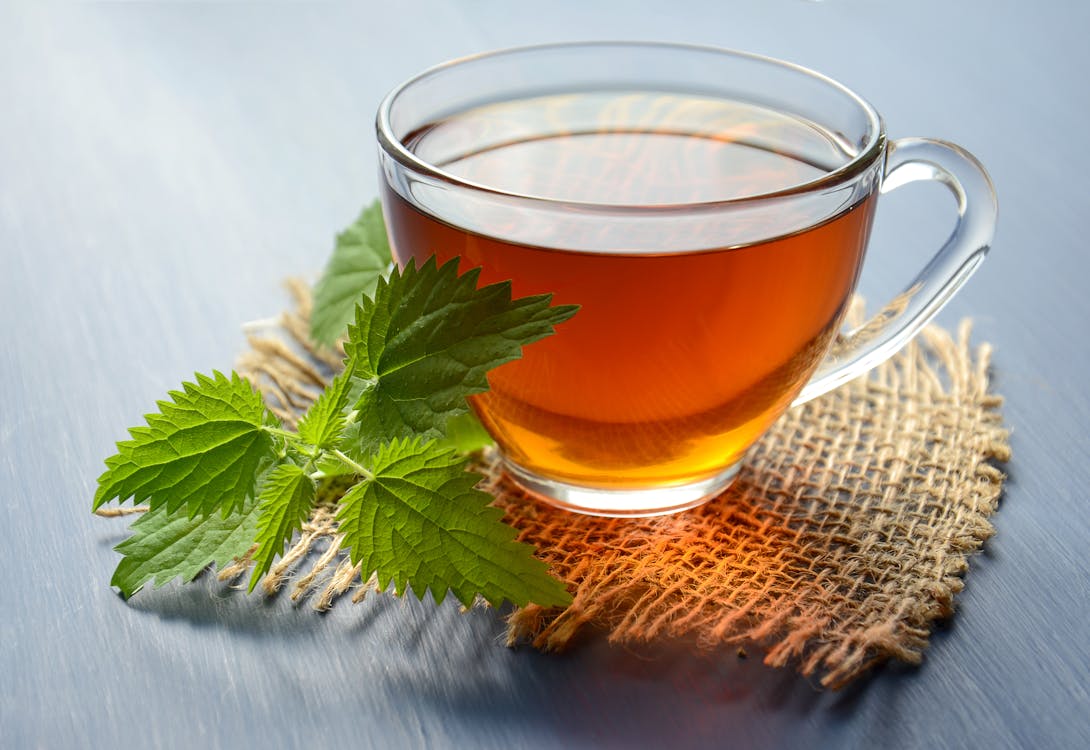
Freshly plucked Tulsi leaves in a bowl, used for making Ayurvedic healing tea (kadha).

How to Incorporate Tulsi into Your Daily Life

Integrating this powerful herb into your routine is simple and rewarding. Consistency is key to experiencing its full benefits.

  • Morning Tulsi Tea (Kadha): This is the most popular method. Boil 4-5 fresh or 1 teaspoon of dried Tulsi leaves in 2 cups of water until it reduces by half. Add a pinch of ginger and black pepper for extra potency. Strain and sip warm, with a dash of honey if desired.
  • Chew Fresh Leaves: On an empty stomach, chew 3-5 washed Tulsi leaves. This is excellent for oral health and immediate absorption of its vital compounds.
  • Tulsi-Infused Water: Add a handful of fresh Tulsi leaves to a jug of water and let it infuse overnight. Drink this water throughout the day for gentle detoxification and hydration.
  • Steam Inhalation: For respiratory congestion, add 10-12 Tulsi leaves to a pot of boiling water. Cover your head with a towel and inhale the steam for 5-10 minutes.
  • Herbal Powder (Churna): Mix ½ teaspoon of dried Tulsi powder with honey to form a paste and consume it once or twice a day.

Safety, Dosage, and Precautions

While Tulsi is safe for most people, it's important to be mindful of its potent effects. A typical therapeutic dosage is consuming 3-5 fresh leaves, drinking 1-2 cups of tea, or taking 300-600 mg of extract daily.

Who Should Be Cautious?

  • Pregnant or Breastfeeding Women: Tulsi may have an anti-fertility effect and stimulate uterine contractions. It is best to avoid it during pregnancy.
  • Individuals on Blood-Thinning Medication: Tulsi can slow blood clotting, so it should be used with caution by those on anticoagulants like warfarin.
  • People with Hypoglycemia: As Tulsi can lower blood sugar, individuals with already low blood sugar should monitor their levels closely.

Frequently Asked Questions (FAQs) About Tulsi

What is the best time to consume Tulsi?

The ideal time to consume Tulsi is on an empty stomach in the morning. This allows for maximum absorption of its beneficial compounds and helps kick-start your metabolism and immune system for the day.

Can Tulsi help with weight loss?

While not a direct weight-loss herb, Tulsi supports healthy weight management. By reducing stress cortisol (which can lead to belly fat storage), improving metabolism, and regulating blood sugar, it creates an internal environment conducive to losing excess weight. Explore more in our guide to Ayurvedic weight loss.

Is it safe to have Tulsi every day?

Yes, for most individuals, daily consumption of Tulsi in moderation is not only safe but highly beneficial. It is a cornerstone of Ayurvedic daily routines (Dinacharya) for maintaining long-term health and vitality.

How is Ayurvedic Tulsi different from culinary basil?

Ayurvedic Tulsi (Ocimum sanctum) has a distinct spicy, pungent flavor and is primarily used for its medicinal properties. Culinary basil (Ocimum basilicum) is sweeter and is used for its flavor in foods like Italian pesto. While they belong to the same plant family, their phytochemical profiles and therapeutic actions differ significantly.

Conclusion: Embrace the Holistic Healing of Tulsi

Tulsi is far more than an herb; it is a profound expression of nature's healing intelligence. By integrating it into your life, you are embracing a tradition of wellness that has nurtured humanity for centuries. Whether you seek stress relief, stronger immunity, or overall vitality, the Queen of Herbs offers a gentle yet powerful path to balance and well-being. Start your journey today and feel the transformative power of this sacred plant.

Ready to discover more Ayurvedic treasures? Explore our comprehensive Herb Database to continue your learning.

Personal Note from the Author: My journey as a BAMS student constantly reinforces the profound wisdom of Ayurveda, and no herb exemplifies this better than Tulsi. It's one of the first herbs we study, and its applications are limitless. This article is my effort to synthesize classical Ayurvedic knowledge with modern scientific validation to provide a complete, trustworthy guide. I personally rely on Tulsi tea to stay healthy through seasonal changes, and I hope this information empowers you to do the same.

Disclaimer: This article is for educational purposes only, reflecting my studies in Ayurvedic Medicine and Surgery. It is not intended as a substitute for professional medical advice. Please consult a qualified Ayurvedic practitioner or healthcare provider for diagnosis and personalized treatment plans.

30/05/25

Ayurvedic Home Remedies for Cold and Cough: A Complete Natural Guide

Ayurvedic Home Remedies for Cold and Cough: Fast & Natural Relief

This definitive guide offers the best Ayurvedic home remedies for cold and cough. Discover how to use simple kitchen ingredients like ginger, tulsi, and turmeric for fast, natural relief, and learn the diet and lifestyle tips to support your respiratory health and boost immunity.

When the first signs of a cold appear—a scratchy throat, a stuffy nose, a nagging cough—it's easy to reach for conventional medicine. But what if your kitchen held the key to not just soothing your symptoms, but addressing the root cause of the imbalance? For thousands of years, Ayurveda has provided a holistic framework for managing respiratory ailments using the potent healing power of nature.

This guide will walk you through Ayurveda's profound understanding of colds and coughs, moving beyond a one-size-fits-all approach to offer targeted, natural healing solutions. By learning to support your body's innate intelligence, you can find effective relief and build a more resilient immune system for the future.

A vibrant spread of Ayurvedic spices like turmeric, ginger, and cloves used for natural healing and digestive health.

The Ayurvedic View of a Cold: An Imbalance of Agni, Kapha, and Vata

In Ayurveda, a common cold, known as *Pratishyaya*, is seen not as an attack by an external pathogen, but as a sign of an internal imbalance. The root cause almost always begins with a weakened digestive fire, or **Agni**. When Agni is compromised by factors like stress, poor diet, or exposure to cold, it cannot properly digest food. This leads to the formation of a sticky, toxic residue called **Ama**.

This Ama then combines with an aggravated **Kapha dosha** (the energy of earth and water), which governs mucus and fluid balance in the body. The cold, heavy qualities of Ama-laden Kapha obstruct the respiratory channels (*Pranavaha Srotas*), leading to congestion, a runny nose, and a feeling of heaviness. Often, **Vata dosha** (the energy of air and movement) is also involved, pushing the cold mucus around the body and causing symptoms like a scratchy throat, body aches, and a hacking cough. Therefore, the Ayurvedic approach is brilliantly simple: rekindle Agni, pacify Kapha and Vata, and eliminate Ama.

"Rogas sarve’pi mande’gnau." - Ashtanga Hridayam

This foundational Ayurvedic sutra translates to: "All diseases have their origin in a weakened digestive fire (Agni)." This is the guiding principle for treating a cold and cough—we must first tend to the digestive system.

Not All Coughs Are Created Equal: Understanding Kasa (Cough)

Ayurveda recognizes that a cough (*Kasa*) is a symptom, not a disease, and astutely classifies it based on the dominant dosha. Identifying your type of cough is key to choosing the most effective remedy. While most colds involve a Kapha-type cough, it's helpful to know the distinctions.

  • Vata Cough: This is a dry, hacking, and often painful cough with little to no mucus. It may be accompanied by a hoarse voice and a feeling of a raw throat. The goal here is to soothe and lubricate.
  • Pitta Cough: This cough often involves a burning sensation in the chest or throat and the expectoration of small amounts of yellow or green-tinged phlegm. The goal is to cool and reduce inflammation.
  • Kapha Cough: This is the classic "wet" cough—congestive, productive, and accompanied by abundant, thick, white, or clear mucus. The goal is to use warming, drying, and expectorant remedies to liquefy and expel the mucus.

For a deeper understanding of your unique constitution and tendencies, consider taking our Prakriti Quiz.

A steaming cup of Ayurvedic herbal tea (kadha) with ginger, lemon, and honey for natural cold and cough relief.

Top Ayurvedic Home Remedies for Fast, Natural Relief

These time-tested remedies utilize the medicinal power of common kitchen ingredients to soothe symptoms, kindle Agni, and restore balance. They are most effective when used at the very first sign of a cold.

1. Ginger-Tulsi Herbal Tea (Kadha)

This classic Ayurvedic decoction is a powerhouse for respiratory health. Ginger is a potent digestive and expectorant that liquefies Kapha, while Tulsi is a sacred herb known for its immunomodulatory and antimicrobial properties. This tea provides immediate relief for a sore throat and chest congestion.

How to Prepare: Boil a 1-inch piece of grated fresh ginger and 5-6 fresh Tulsi leaves in 2 cups of water for about 10 minutes, until the liquid reduces by half. Strain, let it cool to a drinkable temperature, and then add 1 teaspoon of raw honey and a squeeze of lemon juice. Sip this warm tea 2-3 times a day.

2. Turmeric Milk (Haldi Doodh or Golden Milk)

This soothing, anti-inflammatory beverage is a comforting remedy, especially for a dry, irritated throat and cough. Turmeric's active compound, curcumin, is a powerful anti-inflammatory, and a study published in the Journal of Foods highlights its wide range of therapeutic properties.

How to Prepare: Gently heat 1 cup of milk (or a non-dairy alternative like almond milk). Stir in 1/2 teaspoon of high-quality turmeric powder and a pinch of black pepper (which dramatically increases curcumin's absorption). Sip this warm beverage before bedtime to promote restful sleep and soothe a cough.

3. Honey, Ginger & Black Pepper Syrup

This simple yet potent mixture acts as a natural expectorant and throat soother. Honey is a demulcent that coats and calms irritated tissues, while ginger and black pepper work to break up and expel stubborn mucus from the respiratory tract.

How to Use: Mix one teaspoon of raw honey with one teaspoon of fresh ginger juice and a generous pinch of freshly ground black pepper. Take this mixture slowly, allowing it to coat your throat, 2-3 times a day.

4. Herbal Steam Inhalation (Swedana)

Steam inhalation is one of the most direct and effective ways to loosen thick mucus in the sinuses and lungs. This practice of *Swedana* (sudation) helps to open the channels, reduce congestion, and relieve the feeling of heaviness in the head.

How to Do It: Bring a pot of water to a boil and carefully transfer it to a large, heat-proof bowl. Add a few drops of eucalyptus oil or a handful of fresh mint, Tulsi, or Ajwain (carom seeds). Drape a towel over your head to create a tent, lean over the bowl (at a safe distance), and inhale the steam deeply through your nose and mouth for 5-10 minutes. Repeat twice daily.

A simple bowl of nourishing Ayurvedic soup (kitchari), the ideal food for recovery from a cold.

The Ayurvedic Diet for a Cold (Pathya-Apathya)

During a cold, your Agni is compromised, so it is crucial to eat foods that are light, warm, and easy to digest. The goal is to nourish the body without overburdening the digestive system. This is the principle of *Pathya* (wholesome) and *Apathya* (unwholesome).

Foods to Favor (Pathya)

  • Warm, Light Soups: Simple vegetable broths and light mung dal soup (kitchari) are the perfect foods. They are nourishing, hydrating, and easy on the digestive system.
  • Steamed Vegetables: Choose vegetables that are easy to digest, like zucchini, carrots, and leafy greens.
  • Warming Grains: Barley is particularly good for drying excess Kapha. Cooked quinoa and aged basmati rice are also good choices.
  • Generous Spices: Use plenty of digestive spices like ginger, garlic, turmeric, black pepper, and cinnamon to kindle Agni and clear congestion.
  • Warm Liquids: Sip warm water or herbal teas like CCF (Cumin, Coriander, Fennel) tea throughout the day to stay hydrated and flush toxins.

Foods to Avoid (Apathya)

  • Dairy Products: Milk, cheese, and especially cold yogurt are highly mucus-forming and should be avoided.
  • Cold, Heavy, and Oily Foods: This includes fried foods, heavy meats, salads, smoothies, and iced drinks, all of which extinguish a weak Agni.
  • Sweet and Sour Tastes: Refined sugar and overly sour foods (like citrus in excess) can increase Kapha and congestion.

For a deeper understanding of these principles, explore our complete guide to Ayurvedic nutrition.

Frequently Asked Questions

How long does it take for these Ayurvedic remedies to work?

With consistent use, you can often feel a noticeable improvement in acute symptoms like a sore throat and congestion within 24 to 48 hours. For a lingering cough or deeper imbalance, it may take several days of diligent application of these remedies and dietary guidelines to see significant results.

Why should honey never be heated?

Ayurveda teaches that heating honey changes its molecular structure, turning it into a form of Ama (a sticky toxin) that is very difficult for the body to digest and can clog the channels. Therefore, honey should always be added to liquids that have cooled down to a warm, drinkable temperature, never to boiling water.

Are these remedies safe for children?

Most of these remedies, like turmeric milk and steam inhalation, can be adapted for children, but the dosages of herbs must be significantly reduced. Honey should never be given to infants under one year of age. It is always essential to consult a pediatrician or a qualified Ayurvedic practitioner for guidance on treating children.

When is it necessary to see a doctor?

While these home remedies are very effective for common colds, it is important to seek professional medical advice if you experience a high fever (above 102°F or 38.9°C) that persists for more than three days, severe difficulty breathing, chest pain, or if your symptoms worsen significantly instead of improving.

Personal Note from the Author: As a second-year BAMS student, I've come to rely on the simple, powerful wisdom of these kitchen remedies. The principles of strengthening Agni and pacifying Kapha are foundational to our studies. This article is my effort to share this classical knowledge in a practical way that I, and my family, use to stay healthy through the changing seasons.

Disclaimer: This article is for educational purposes only and reflects my current understanding as an Ayurvedic student. It is not intended to diagnose or treat any disease. Please consult with a qualified Ayurvedic practitioner or healthcare provider for any health concerns.

How to Balance Vata, Pitta, and Kapha: The Ultimate Ayurvedic Guide

How to Balance Vata, Pitta, and Kapha: The Ultimate Ayurvedic Guide

This definitive guide provides a complete roadmap to dosha harmony. Learn the Ayurvedic secrets to balance Vata, Pitta, and Kapha using personalized diet, lifestyle, and herbal remedies for profound, lasting mind-body wellness and natural healing.

At the heart of Ayurveda lies a simple yet profound truth: health is a state of dynamic balance, and illness is a symptom of imbalance. This balance is governed by the three fundamental bio-energies, or doshas: Vata, Pitta, and Kapha. Understanding how to manage these energies is the key to unlocking your body's innate intelligence and achieving vibrant, holistic health.

But how do you actually do it? This guide moves beyond theory to provide a practical, step-by-step framework for pacifying each dosha. Whether you're feeling anxious and scattered, fiery and irritable, or sluggish and unmotivated, you'll find the specific tools you need—from food and herbs to daily routines—to gently guide your system back to its natural state of equilibrium. Ready to embark on a journey of profound self-healing?

An artistic illustration representing the balance between the three Ayurvedic doshas: Vata, Pitta, and Kapha.

The Golden Rule of Balance: Like Increases Like, Opposites Pacify

The entire science of balancing the doshas rests on one elegant principle: the *Samanya-Vishesha Siddhanta*. This states that substances and actions with similar qualities will increase a dosha, while those with opposite qualities will decrease or pacify it. This is the master key to Ayurvedic healing, transforming your daily choices into a form of personalized medicine.

Each dosha is defined by a set of qualities (gunas). For example, Vata is cool, dry, light, and mobile. If you have excess Vata, characterized by anxiety or dry skin, eating a cold, raw salad (cool, dry, light) will only increase these symptoms. To find balance, you must apply the opposite qualities: warmth, moisture, and stability. A warm, nourishing soup and a consistent daily routine become the perfect antidote. By understanding this principle, you can intuitively choose the foods, activities, and environments that bring you back into harmony.

"Action that brings about equilibrium of the Dhatus (tissues/doshas) is the proper action; that which disturbs the equilibrium is the improper one. This is, in short, the definition of proper and improper action." - Charaka Samhita

Balancing Vata Dosha: Grounding the Energy of Movement

Vata dosha, composed of Air and Ether, governs all movement in the mind and body. When aggravated, its qualities of being **cool, dry, light, and mobile** can lead to anxiety, insomnia, dry skin, bloating, and a scattered mind. The goal of a Vata-balancing regimen is to introduce warmth, moisture, stability, and nourishment.

The Vata-Pacifying Diet: A Warm, Nourishing Embrace

Your diet is the most powerful tool for grounding Vata's airy nature. Focus on meals that are cooked, warm, moist, and substantial. The three tastes that balance Vata are **Sweet, Sour, and Salty**.

  • Foods to Favor: Warm soups and stews, cooked root vegetables (carrots, beets, sweet potatoes), nourishing grains like basmati rice and cooked oats, and sweet, ripe fruits (bananas, avocados, soaked raisins). Use generous amounts of healthy fats like ghee and sesame oil.
  • Foods to Reduce: Cold, dry, and light foods that increase Vata. This includes raw salads, crackers, dried fruit (unless soaked), iced drinks, and excessive beans. Stimulants like caffeine should be minimized as they can over-activate the nervous system.
A warm, nourishing bowl of oatmeal with berries, representing a perfect grounding meal for balancing Vata dosha.

Lifestyle and Herbal Support for Vata

Routine is the ultimate medicine for Vata's unpredictable nature. A consistent schedule provides a container of safety and stability that deeply calms the nervous system.

  • Routine (Dinacharya): This is non-negotiable for Vata. Wake, eat, and sleep at the same times every day. To learn more, read our comprehensive guide on the Ayurvedic Daily Routine.
  • Abhyanga (Self-Massage): Daily self-massage with warm sesame oil is essential. This practice deeply nourishes dry skin, lubricates joints, and provides a profound sense of groundedness.
  • Exercise: Choose gentle, rhythmic activities like walking, tai chi, or restorative yoga. Avoid high-impact, jarring workouts that can aggravate Vata.
  • Herbal Allies: The premier herb for balancing Vata is **Ashwagandha**. As an adaptogen, it helps the body cope with stress and builds deep vitality. Studies, such as one from the African Journal of Traditional, Complementary and Alternative Medicines, support its efficacy in managing stress. Other beneficial herbs include Licorice, Ginger, and Cinnamon. Find more in our Herb Database.

Balancing Pitta Dosha: Cooling the Fire of Transformation

Pitta dosha, made of Fire and Water, governs metabolism and all transformations. When its qualities of being **hot, sharp, light, and oily** are in excess, it can manifest as inflammation, acid reflux, skin rashes, and emotions like anger and irritability. The antidote is to cultivate coolness, calmness, and moderation.

The Pitta-Pacifying Diet: Cool, Fresh, and Sweet

To cool Pitta's fire, your diet should be refreshing and substantial without being heavy. The three tastes that balance Pitta are **Sweet, Bitter, and Astringent**.

  • Foods to Favor: Sweet and juicy fruits (melons, grapes, cherries), bitter leafy greens (kale, chard), and cooling vegetables (cucumber, zucchini). Basmati rice, barley, and oats are excellent grains. Ghee and coconut oil are the best fats.
  • Foods to Reduce: Foods that increase heat and acidity. This includes pungent spices (chilies, cayenne), sour foods (vinegar, aged cheese), and overly salty or fried foods. Reduce alcohol and caffeine, which are highly heating.
A fresh, cooling vegetable salad with cucumber and leafy greens, ideal for a Pitta-balancing diet.

Lifestyle and Herbal Support for Pitta

Moderation is the key for Pitta types, who have a natural tendency to push themselves too hard. Surrendering the need for control and embracing leisure is crucial.

  • Routine: Schedule regular downtime into your day. Make sure to eat your meals in a peaceful environment without multitasking.
  • Environment: Spend time in nature, especially near water. A walk in the cool evening or under the moonlight is deeply soothing for Pitta.
  • Exercise: Engage in moderate activities that are not overly competitive, such as swimming, hiking, or a leisurely bike ride. Avoid exercising during the hottest part of the day.
  • Herbal Allies: The best herbs for Pitta are cooling and purifying. **Amla** (Indian Gooseberry) is a premier antioxidant that pacifies Pitta. Other excellent choices include **Shatavari**, Brahmi, Guduchi, and Neem.

Balancing Kapha Dosha: Invigorating and Lightening Up

Kapha dosha, composed of Earth and Water, is defined by its qualities of being **heavy, slow, cool, oily, and stable**. When in excess, Kapha leads to lethargy, weight gain, congestion, and emotional attachment. The strategy for balancing Kapha is to introduce warmth, lightness, dryness, and stimulation.

The Kapha-Pacifying Diet: Warm, Light, and Spicy

The diet for Kapha should be energizing and easy to digest, aimed at stimulating a sluggish metabolism. The three tastes that balance Kapha are **Pungent, Bitter, and Astringent**.

  • Foods to Favor: A wide variety of vegetables, especially bitter greens and pungent vegetables like radishes and onions. Light grains like barley and millet are ideal. Legumes, like lentils and chickpeas, are excellent. Be generous with warming spices like ginger, black pepper, and turmeric.
  • Foods to Reduce: Heavy, oily, and cold foods that increase Kapha's qualities. This includes most dairy products, fried foods, sugar, and excessive sweet or salty tastes.
A collection of warming and stimulating Ayurvedic spices like ginger and turmeric, perfect for a Kapha-balancing diet.

Lifestyle and Herbal Support for Kapha

Activity, variety, and stimulation are the best medicine for Kapha's tendency toward inertia. A dynamic and engaging routine is essential.

  • Routine: Waking up early (before 6 AM) is crucial to avoid morning sluggishness. Avoid napping during the day.
  • Exercise: Vigorous, regular exercise is a must. Activities like running, cycling, dancing, or a fast-paced vinyasa yoga class help to invigorate the body and mind.
  • Self-Care: Practice *Garshana* (dry brushing) before showering to stimulate the lymphatic system and circulation.
  • Herbal Allies: The classic formula for Kapha is **Trikatu**, a blend of three pungent herbs that powerfully kindles digestive fire. Other beneficial herbs include Guggulu and Turmeric.

Frequently Asked Questions

How do I know which dosha is imbalanced?

First, it helps to understand your inherent constitution by taking our Prakriti Quiz. Your imbalance (*Vikriti*) is often an excess of your dominant dosha, but not always. The key is to observe your current symptoms: feelings of anxiety and being ungrounded point to Vata; irritability and inflammation suggest Pitta; and lethargy and congestion indicate Kapha.

What if I have a dual-dosha constitution (e.g., Vata-Pitta)?

For dual-dosha types, the art of balance is more nuanced. You must identify which dosha is more aggravated at any given time or consider the season. For example, in the fall (Vata season), focus on pacifying Vata. In the summer (Pitta season), focus on cooling Pitta. A qualified practitioner can help you navigate this balance.

How long does it take to balance a dosha?

The time it takes varies greatly. You might feel relief from acute symptoms (like bloating or acidity) within a few days of dietary changes. However, rebalancing deep-seated, chronic imbalances can take several months of consistent effort with diet, lifestyle, and herbs. Ayurveda is a journey, not a quick fix.

Personal Note from the Author: As a second-year BAMS student, learning to apply the *Samanya-Vishesha* principle is a daily practice. It has transformed how I view food, my environment, and my own well-being. This guide is a synthesis of my studies from classical texts and my own experience in seeing how this profound wisdom can be practically applied to find balance in our modern lives. I hope it empowers you on your own journey to health.

Disclaimer: This article is for educational purposes and reflects my current understanding as an Ayurvedic student. It is not intended as a substitute for professional medical advice. Please consult with a qualified Ayurvedic practitioner for a personalized health plan.

Top 7 Ayurvedic Herbs to Boost Immunity: A Complete Natural Guide

Top 7 Ayurvedic Herbs to Boost Immunity: A Complete Natural Guide

This comprehensive guide explores Ayurveda's approach to building robust immunity. Discover seven powerful Ayurvedic herbs, including Ashwagandha and Tulsi, that strengthen your body's natural defenses, enhance vitality, and promote holistic wellness by balancing your inner ecosystem.

In our modern world, the quest for a strong immune system has never been more critical. We are constantly navigating environmental stressors, demanding lifestyles, and exposure to new pathogens. While conventional approaches often focus on reactive measures, Ayurveda, the ancient Indian science of life, offers a profound and proactive path to building deep, lasting immune resilience. This approach is known as Vyadhikshamatva—the body’s innate power to resist and overcome disease.

Ayurveda teaches that true immunity is not merely an army of cells waiting to fight invaders; it is the harmonious expression of a balanced mind-body system. It is the end result of strong digestion, a calm nervous system, and a vibrant life force. This guide will delve into the core Ayurvedic principles of immunity and introduce you to seven of the most revered herbal allies (dravyas) that have been used for millennia to fortify our natural defenses from the inside out.

A vibrant collection of Ayurvedic herbs and spices in bowls, including turmeric and ginger, to boost immunity naturally.

The Ayurvedic Trinity of Immunity: Ojas, Agni, and Ama

Ayurveda's understanding of immunity is built upon the interplay of three fundamental concepts: Ojas (vital essence), Agni (digestive fire), and Ama (metabolic toxins). These three pillars are interconnected, and their balance is the ultimate determinant of your health and resilience. A strong defense system begins not on the battlefield of germs, but in the core of your digestive tract.

1. Ojas: The Essence of Vitality and Immune Strength

Ojas is the most refined product of healthy digestion and tissue metabolism; it is the pure essence that gives the body strength, vigor, and immunity. Described in classical texts as having the color of ghee and the smell of honey, Ojas is the biological substance that sustains our life force (prana). When Ojas is abundant, our immune system is strong, our mind is clear, our skin glows, and we feel a deep sense of contentment. Chronic stress, poor diet, and irregular lifestyle choices deplete Ojas, leaving us vulnerable to disease.

2. Agni: The Gatekeeper of Health and Digestion

Agni is the sacred fire of digestion and metabolism that governs all transformation in the body. A balanced Agni is the single most important factor for good health in Ayurveda. It efficiently breaks down the food we eat, assimilates nutrients, and eliminates waste. More importantly, a strong Agni is essential for the creation of healthy Ojas. When Agni is weak or disturbed, digestion is incomplete, leading to the formation of a toxic substance called Ama.

3. Ama: The Root Cause of Disease and Weak Immunity

Ama is the sticky, toxic residue of improper digestion. When Agni is compromised, undigested food particles linger in the gastrointestinal tract, fermenting and creating a foul-smelling substance that clogs the body's channels (srotas). This Ama can then circulate throughout the body, settling in tissues and organs, disrupting cellular function, and creating a fertile breeding ground for pathogens. According to Ayurveda, the presence of Ama is the primary cause of weakened immunity and the starting point for most diseases.

Strong Agni (Digestive Fire)
Proper Digestion & No Ama (Toxins)
Nourishment of all Tissues (Dhatus)
Abundant Ojas (Vital Essence)
Strong Immunity (Vyadhikshamatva)

"The balanced state of the doshas, agnis, dhatus, the proper elimination of malas (wastes), and the blissful state of the Atma (soul), Indriyas (senses), and Manas (mind) are the definition of a healthy person." - Sushruta Samhita

The 7 Best Ayurvedic Herbs for Natural Immune Support

Ayurvedic herbs for immunity are known as *Rasayanas* (rejuvenators) and *immunomodulators*. They work not by artificially stimulating the immune system, but by holistically nourishing the body, strengthening Agni, reducing Ama, and building Ojas. Here are seven of the most revered herbs for cultivating deep immune resilience.

1. Ashwagandha (Withania somnifera) - The Stress Adaptogen

Ashwagandha, often called "Indian Ginseng," is Ayurveda's premier adaptogenic herb. Its main role in immunity is to help the body adapt to and manage stress. Chronic stress elevates cortisol levels, which directly suppresses immune function and depletes Ojas. By regulating cortisol, Ashwagandha preserves our vital energy and allows the immune system to function without hindrance. A study published in the Indian Journal of Psychological Medicine confirmed its remarkable stress-reducing effects. It also enhances the activity of natural killer cells, a type of immune cell that fights infection. Explore more about this powerful herb on our Ashwagandha page.

2. Tulsi (Ocimum sanctum) - The Queen of Herbs

Tulsi, or Holy Basil, is revered in India for its spiritual and medicinal properties. This sacred plant is a powerful antimicrobial, antiviral, and anti-inflammatory agent. It is particularly beneficial for respiratory health, helping to clear congestion and protect the lungs from environmental pollutants and pathogens. As a potent adaptogen, Tulsi helps the body cope with stress. A simple daily ritual of drinking Tulsi tea can significantly bolster your body's defenses and promote mental clarity.

3. Guduchi / Giloy (Tinospora cordifolia) - The Nectar of Immortality

Known in Sanskrit as "Amrita," Guduchi is one of the most powerful detoxifying and immune-boosting herbs in the Ayurvedic pharmacopoeia. It is a potent *tridoshic* herb, meaning it balances all three doshas. Guduchi is a master at clearing Ama from the system and strengthening Agni. It is a powerful immunomodulator that enhances the function of macrophages and is renowned for its ability to fight fevers and infections. It helps the body build a strong, intelligent defense system.

4. Amla (Emblica officinalis) - The Ultimate Rejuvenator

Amla, the Indian Gooseberry, is celebrated as one of the richest natural sources of Vitamin C, a crucial nutrient for immune cell function. However, its power extends far beyond a single vitamin. Amla is a premier *Rasayana* (rejuvenator) that builds Ojas and nourishes all seven layers of the body's tissues (Dhatus). Its potent antioxidant properties protect the body from free radical damage, a key driver of aging and disease. Regular consumption of Amla supports a healthy inflammatory response and robust immunity.

5. Turmeric (Curcuma longa) - The Golden Anti-Inflammatory

This vibrant golden spice is a cornerstone of both Indian cuisine and Ayurvedic medicine. Its primary active compound, curcumin, is a world-renowned anti-inflammatory and antioxidant. Chronic, low-grade inflammation can exhaust the immune system, leaving it unable to respond effectively to real threats. By modulating the body's inflammatory pathways, Turmeric helps to maintain a balanced and efficient immune response. It also supports a healthy gut microbiome, which is foundational to immunity.

6. Ginger (Zingiber officinale) - The Universal Medicine

Known in Ayurveda as *Vishwabhesaj* (the universal medicine), Ginger is unmatched in its ability to kindle Agni. By stimulating the digestive fire, it helps to burn Ama, improve nutrient absorption, and clear the body's channels. A strong Agni is the first line of defense against disease. Ginger is also excellent for the respiratory system, as its warming quality helps to liquefy and expel Kapha congestion from the lungs. A simple tea made from fresh ginger is a classic remedy for the first sign of a cold.

7. Licorice (Glycyrrhiza glabra) - The Soothing Harmonizer

Licorice root, or *Yashtimadhu*, is a sweet, soothing herb that supports respiratory and adrenal health. It acts as an expectorant, helping to clear mucus from the lungs, while its demulcent properties soothe irritation in the throat and digestive tract. As an adaptogen, Licorice supports the adrenal glands, which can become fatigued from chronic stress. By supporting adrenal function, it helps preserve our deep immune reserves (Ojas).

Lifestyle: The True Foundation of Immunity

While these herbal allies are incredibly powerful, Ayurveda teaches that no herb can replace the foundational pillars of a healthy lifestyle. True, sustainable immunity is built day by day through conscious choices. The most important practice for robust health is following a **Dinacharya** (daily routine). This includes waking early, eating meals at regular times, getting adequate and restful sleep, and managing stress through practices like meditation and pranayama. When these pillars are firmly in place, Ayurvedic herbs can work most effectively to elevate your health to its highest potential. Ready to discover your unique constitution to personalize your routine? Try our Prakriti Quiz today!

Frequently Asked Questions

How do Ayurvedic herbs for immunity differ from over-the-counter supplements?

Over-the-counter supplements often contain isolated chemical compounds (like Vitamin C). Ayurvedic herbs, in contrast, provide these compounds in their whole, natural form, complete with a symphony of other phytonutrients that work in synergy. This holistic approach enhances bioavailability and offers a broader range of benefits, such as supporting digestion and reducing stress, which supplements alone do not.

Can I take these herbs every day?

Many of these herbs, especially Rasayanas like Amla and Ashwagandha, are designed for long-term use to build vitality over time. Others, like Guduchi, are excellent for seasonal use or during times of high exposure to illness. It is always best to consult a qualified Ayurvedic practitioner to create a personalized herbal plan that suits your unique constitution and needs.

Which herb is best for me to start with?

A great starting point for most people is Tulsi. A daily cup of Tulsi tea is a simple, safe, and effective way to support respiratory health and manage daily stress. If your primary concern is stress, Ashwagandha is an excellent choice. If you have sluggish digestion, start with Ginger. Listen to your body and see what resonates most.

Personal Note from the Author: As a second-year BAMS student, the study of *Dravya Guna* (Ayurvedic pharmacology) has opened my eyes to the incredible intelligence of nature. These herbs are not just substances; they are ancient allies in our journey toward health. This article is my effort to share the profound wisdom of classical texts and connect it with the modern need for resilience and vitality. My own experience with herbs like Tulsi and Ashwagandha has been transformative, and I hope this guide inspires you to explore their benefits.

Disclaimer: This article is for educational purposes only and reflects my current understanding as an Ayurvedic student. It is not intended as a substitute for professional medical advice. Please consult with a qualified Ayurvedic practitioner or healthcare provider before starting any new herbal regimen.

Amidha Ayurveda