Amidha Ayurveda

Showing posts with label Kapha Dosha. Show all posts

16/10/25

Kapha Dosha Symptoms: The Complete Ayurvedic Guide to Balance

This comprehensive guide explores the core signs of Kapha dosha imbalance. Discover the causes of Kapha aggravation and learn proven Ayurvedic remedies—including diet, lifestyle, and herbal solutions—to reduce congestion, boost metabolism, and restore vibrant, holistic wellness.

Kapha Dosha Symptoms: The Complete Ayurvedic Guide to Balance

Do you often feel sluggish, especially in the morning? Do you struggle with slow digestion, easy weight gain, or a tendency toward congestion and mucus? Are you known for your calm and steady nature, but sometimes find it tipping over into lethargy or emotional attachment? If so, you are likely experiencing the symptoms of an imbalanced Kapha dosha.

In Ayurveda, Kapha is the powerful principle of structure and lubrication, a blend of the Earth and Water elements. When in harmony, it provides strength, stamina, and emotional stability. But when it accumulates in excess, it can create stagnation in both the body and mind. This guide will illuminate the path to managing Kapha, helping you transform heaviness into strength and inertia into serene stability.

An illustration of the Earth and Water elements, representing the composition of Kapha dosha in Ayurveda.

What is Kapha Dosha? The Energy of Structure and Lubrication

Kapha dosha is the Ayurvedic bio-energy composed of the Earth (Prithvi) and Water (Jala) elements, governing the body's structure, stability, and fluid balance. It is the "glue" that holds our cells together, providing the substance and support for all bodily tissues. A balanced Kapha fosters strength, immunity, contentment, and physical endurance.

The qualities (gunas) that define Kapha are **heavy, slow, cool, oily, smooth, dense, and stable**. These attributes manifest in a Kapha-dominant individual's sturdy physique, calm temperament, and methodical approach to life. However, according to the Ayurvedic principle of "like increases like," an excess of these qualities in our diet or lifestyle leads directly to Kapha dosha symptoms.

The Five Subtypes of Kapha (Pancha Kapha)

For a deeper understanding, Ayurveda divides Kapha into five subtypes, each with a specific location and function. Recognizing which subtype is imbalanced can help pinpoint the root cause of your symptoms and guide more precise natural healing.

  • Kledaka Kapha (The Wetting Agent): Located in the stomach, this is the first stage of digestion. It moistens food, creating a protective lining for the stomach lining. An imbalance here leads to a weak digestive fire (Manda Agni), slow metabolism, and nausea.
  • Avalambaka Kapha (The Supporter): Residing in the chest, heart, and lungs, it provides lubrication and support to these vital organs. When in excess, it causes respiratory congestion, lethargy, and a feeling of heaviness in the chest.
  • Bodhaka Kapha (The Perceiver): Situated in the tongue and mouth, it governs the sense of taste and keeps the oral cavity lubricated. Imbalance can lead to a poor sense of taste, excessive salivation, or a coating on the tongue.
  • Tarpaka Kapha (The Contenter): Located in the head, sinuses, and cerebrospinal fluid, it nourishes the brain and sensory organs. Aggravation here results in sinus congestion, mental dullness, and a feeling of fogginess.
  • Shleshaka Kapha (The Lubricator): Found in the joints, it provides the synovial fluid that allows for smooth, effortless movement. An imbalance can lead to joint stiffness, swelling, and restricted mobility.

"Kapha is the cosmic glue, the force of cohesion that binds the universe together. In our bodies, it is the love that holds our cells in a joyful embrace, providing the foundation for strength and immunity."

A person experiencing sinus congestion, a classic physical symptom of Kapha dosha imbalance.

Common Kapha Dosha Symptoms: Signs of Stagnation

When the heavy, cool qualities of Kapha accumulate beyond healthy limits, the body's systems become sluggish and stagnant. This aggravation (Vikriti) can be triggered by diet, lifestyle, and even the weather. Recognizing these key Kapha dosha symptoms is the first step toward restoring flow and vitality.

The primary sites where excess Kapha accumulates are the stomach, chest, lungs, sinuses, and lymphatic system. The symptoms are a direct reflection of too much Earth and Water element, leading to heaviness, coldness, and fluid retention. Are you experiencing any of these signs?

Physical Symptoms of Kapha Imbalance:

  • Persistent Weight Gain: A sluggish metabolism makes it easy to gain weight and difficult to lose it.
  • Congestion and Mucus: Chronic colds, sinus congestion, allergies, and a productive cough are hallmark signs.
  • **Slow Digestion:** A feeling of heaviness after meals, low appetite, and slow, sluggish digestion.
  • **Water Retention:** Swelling (edema), puffiness, and a general feeling of being bloated or heavy.
  • **Lethargy and Excessive Sleep:** Feeling tired even after a long night's sleep and a strong desire to take daytime naps.
  • **Oily Skin and Hair:** An overproduction of sebum leading to greasy skin, acne, and oily hair.
  • **Joint Stiffness:** A feeling of stiffness and heaviness in the joints, especially in the morning.

Mental and Emotional Symptoms:

  • **Mental Dullness:** Brain fog, difficulty concentrating, and a slow, methodical thought process.
  • **Emotional Complacency:** Lack of motivation, resistance to change, and a tendency toward procrastination.
  • **Attachment and Possessiveness:** Difficulty letting go of people, possessions, or past grievances.
  • **Sadness or Mild Depression:** A feeling of heaviness in the heart, emotional eating, and a withdrawn nature.
A bowl of warm, spiced vegetable soup, a perfect meal for a Kapha-pacifying diet.

The Kapha-Balancing Diet: Eating to Energize and Lighten

The most powerful tool to reduce Kapha dosha symptoms is a diet that introduces opposite qualities: warmth, lightness, and dryness. The goal is to stimulate a sluggish metabolism and clear congestion. This means favoring the three tastes that pacify Kapha: **pungent, bitter, and astringent**, while minimizing the tastes that increase it: **sweet, sour, and salty**.

For Kapha types, it's often beneficial to make lunch the largest meal of the day and keep breakfast and dinner very light. Sometimes, skipping breakfast altogether or opting for a simple cup of warm ginger tea can help rekindle a weak digestive fire (Agni). To learn more about how to eat for your constitution, explore our guide on understanding the Tridosha.

Foods to Favor (The Kapha "Yes" List):

  • Pungent Spices: Ginger, black pepper, cinnamon, turmeric, cayenne, and mustard seeds are excellent for stimulating digestion.
  • Bitter Greens: Kale, chard, dandelion greens, and spinach.
  • Astringent Legumes: Chickpeas, lentils, and mung beans.
  • Light Grains: Barley, millet, quinoa, and buckwheat.
  • Light Fruits: Apples, pears, berries, and pomegranates.
  • Vegetables: Most vegetables are good, especially when steamed or roasted. Focus on broccoli, cauliflower, celery, and peppers.
  • Sweetener: Raw, unpasteurized honey in moderation is the best sweetener for Kapha.

Foods to Reduce or Avoid (The Kapha "Limit" List):

  • Heavy & Oily Foods: Fried foods, red meat, and excessive nuts and seeds.
  • Dairy Products: Milk, cheese, and yogurt are highly Kapha-aggravating.
  • Sweet Foods: Refined sugar, pastries, and overly sweet fruits like bananas and mangoes.
  • Sour & Salty Foods: Pickles, excessive salt, and sour fruits like oranges and pineapple.
  • Cold Foods & Drinks: Iced water, ice cream, and cold foods extinguish the digestive fire.
A person performing an energizing yoga pose, an essential lifestyle practice for balancing Kapha dosha.

Lifestyle Remedies: Inviting Warmth, Movement, and Stimulation

Beyond diet, your daily habits and environment play a huge role in managing Kapha. The key is to break through inertia by actively seeking out stimulation, warmth, and vigorous movement. A structured yet dynamic daily routine (Dinacharya) is essential for preventing stagnation.

Key Lifestyle Adjustments for Kapha Balance:

  • Wake Up Early: Rise before 6 a.m., during the Vata time of day, to tap into its natural energy and lightness. Avoid sleeping in, which increases Kapha's heavy quality.
  • Vigorous Exercise Daily: This is non-negotiable for Kapha. Engage in at least 30-45 minutes of strenuous activity like brisk walking, jogging, cycling, or dynamic Vinyasa yoga.
  • Dry Brushing (Garshana): Before showering, use a raw silk glove or a dry brush to vigorously massage your body towards the heart. This stimulates the lymphatic system and improves circulation.
  • Keep Warm and Dry: Avoid cold, damp environments. Use a sauna or steam room when possible and dress in warm, bright colors.
  • Mental Stimulation: Challenge your mind by learning new skills, solving puzzles, or engaging in stimulating conversations. Avoid falling into monotonous routines.
  • Declutter Your Space: Kapha's tendency to hold on can manifest as physical clutter. Regularly clearing out and organizing your home and workspace can create a sense of lightness.

Top Ayurvedic Herbs to Pacify Kapha

Herbal remedies can provide powerful support for clearing congestion and boosting a sluggish metabolism. According to a review on Ayurvedic botanicals published by Ayu, an international research journal, many traditional herbs have scientifically supported metabolic effects. You can find more details in our complete herb database.

  • Trikatu: A classic formula of three pungent herbs (ginger, black pepper, and long pepper), Trikatu is a potent metabolic stimulant that burns Ama (toxins) and reduces mucus.
  • Guggulu: This resin is famous for its "scraping" action, helping to clear toxins, reduce cholesterol, and support weight management.
  • Punarnava: An excellent diuretic, Punarnava helps reduce water retention and swelling, making it ideal for Kapha-related edema.
  • Tulsi (Holy Basil): This sacred herb helps clear congestion from the respiratory tract, supports lung health, and boosts immunity.

Curious about your unique mind-body type? Discover your dominant dosha by taking our free Know Your Prakriti Quiz!

Frequently Asked Questions

What is the main cause of Kapha imbalance?

The primary cause of Kapha imbalance is an excess of its own qualities—heavy, slow, cold, and oily—in one's diet and lifestyle. This includes overeating heavy foods, lack of physical activity, oversleeping, and spending time in cold, damp climates, which leads to stagnation and congestion.

How long does it take to balance Kapha dosha?

The time it takes to balance Kapha varies. You may feel lighter and more energetic within a week of making dietary and lifestyle changes. However, for deeper, long-standing imbalances like significant weight gain, it may take several months of consistent effort to achieve lasting balance.

Can Kapha types drink coffee?

In moderation, the stimulating and bitter qualities of coffee can be beneficial for Kapha. However, it's best consumed black, without cream or sugar, which would increase Kapha. A cup in the morning can help counter sluggishness, but avoid it in the afternoon or evening.

What is the best form of exercise for reducing Kapha?

Vigorous, endurance-based cardiovascular exercise is best for Kapha. Activities that make you sweat and raise your heart rate—such as running, cycling, swimming, and high-intensity interval training (HIIT)—are ideal for countering Kapha's inherent slowness and heaviness.

Personal Note from the Author: As a second-year BAMS student, I've come to see Kapha not as a source of problem to be eliminated, but as a source of incredible strength and stability when managed correctly. The principles of "opposite qualities" are profound in their simplicity and effectiveness. This article is my attempt to synthesize my academic studies with practical, actionable advice that can help anyone transform Kapha's heaviness into a grounded, resilient energy. My own journey with Ayurveda is one of continuous learning, and I am grateful to share it with you.

Disclaimer: This article is intended for educational purposes only and is based on my current understanding as an Ayurvedic student. It is not a substitute for professional medical advice. Always consult with a qualified Ayurvedic practitioner for personalized diagnosis and a comprehensive treatment plan.

30/05/25

Kapha Dosha Symptoms: Signs, Causes & Natural Remedies

Kapha Dosha Symptoms: Complete Guide to Signs, Causes ∓ Ayurvedic Remedies πŸŒ€

🌍 What is Kapha Dosha?

Kapha Dosha controls the body's structure, stability, and lubrication. It is made up of the Earth (Prithvi) and Water (Jala) elements, which support strength, immunity, and endurance. When balanced, Kapha promotes calmness, emotional stability, and physical resilience. However, when imbalanced, it leads to common Kapha symptoms such as lethargy, weight gain, congestion, and emotional dullness. Recognizing these Kapha Dosha symptoms early helps prevent deeper health issues.

Kapha Dosha Symptoms – Signs, Causes & Natural Remedies

⚠ Signs & Symptoms of Kapha Imbalance

Kapha starts to show up as physical, mental, and emotional signs when it builds up too much. Early detection of these can aid in a speedy return to equilibrium:

  • 🟒 Weight gain & obesity
  • 🟒 Slow digestion & low appetite
  • 🟒 Congestion, colds, and sinus issues
  • 🟒 Depression and mental dullness
  • 🟒 Excess sleep & fatigue
  • 🟒 Water retention & swelling
  • 🟒 Greasy skin or excess mucus
Person showing sinus symptoms

πŸ§ͺ Causes of Kapha Aggravation

Certain lifestyle and dietary factors can aggravate Kapha Dosha. Avoid these triggers to maintain harmony:

  • ❄ Cold, damp, or rainy weather
  • 🍽 Overeating or heavy, oily meals
  • πŸ›Œ Lack of physical activity
  • 😴 Too much sleep or daytime napping
  • 😢 Emotional suppression or lack of stimulation
  • πŸ§€ Excessive dairy, sugar, and fried foods
Cold and damp weather illustrating Kapha aggravation

πŸ“Š Symptoms vs Causes of Kapha Imbalance (Table)

πŸ”Ž Symptoms of Excess Kapha ⚠ Causes of Kapha Aggravation
Weight gain & obesity Overeating heavy, oily foods
Slow digestion & low appetite Cold, damp climate
Congestion, colds & sinus issues Lack of exercise
Depression & mental dullness Emotional suppression
Excess sleep & fatigue Too much daytime napping
Water retention & swelling Excessive dairy & sugar
Greasy skin & mucus Frequent cold drinks & sweets

🌿 Ayurvedic Remedies to Balance Kapha

To pacify aggravated Kapha, implement these dietary, lifestyle, and herbal recommendations:

1. Kapha-Pacifying Diet 🍲

  • Favor pungent, bitter, and astringent tastes (e.g., ginger, turmeric, mustard greens)
  • Eat warm, light, and dry foods (e.g., soups, steamed vegetables)
  • Include spices: ginger, black pepper, cinnamon, turmeric
  • Avoid dairy, sweets, fried foods, and cold drinks
  • Use honey in moderation (best Kapha-pacifying sweetener) 🍯
Bowl of warm soup for Kapha-pacifying diet

2. Lifestyle Tips 󰝊

  • Wake up before 6 AM and avoid daytime naps
  • Engage in regular vigorous exercise (yoga, brisk walking, cardio)
  • Keep the environment warm and dry
  • Mentally stimulate yourself through learning or dynamic routines
  • Avoid emotional attachment and clinging to the past

3. Recommended Ayurvedic Herbs 🌱

  • Haritaki – Improves digestion and removes toxins
  • Pippali – Enhances metabolism and respiratory health
  • Ginger (Shunthi) – Stimulates digestive fire and reduces phlegm
  • Tulsi – Cleans the respiratory system and increases immunity/ojas
  • Trikatu – Is a mix of pungent herbs for Kapha balance
Collection of Kapha-pacifying herbs

πŸ”„ Flowchart: Kapha Imbalance → Remedy Process

Kapha Aggravation Triggered ❄🍽
↓
Physical & Mental Symptoms Appear ⚠
↓
Implement Kapha-Pacifying Diet & Lifestyle 󰝊🍲
↓
Use Ayurvedic Herbs & Therapies 🌿🧴
↓
Restored Kapha Balance 😊

πŸ—“ Kapha Daily Routine

For Kapha types, a well-organized daily schedule (Dinacharya) is essential. Follow these steps:

  • πŸŒ… Get up early and practice Surya Namaskar or refreshing stretches.
  • 🧽 Dry brushing or herbal scrubs to stimulate circulation
  • πŸ₯£ Light breakfast (or skip if not hungry)
  • 🍽 Midday: largest meal with warming spices
  • σ°£° Evening walk or mild physical activity before sunset
  • πŸŒ™ Sleep by 10 PM; avoid oversleeping
Meditation at sunrise illustrating Kapha routine

πŸŒ€ Seasonal Advice for Kapha Types

Kapha starts to build up usually during late winters and spring. During these seasons:

  • ❌ Avoid situations that are too moist, cold, or heavy.
  • ✅ Prioritize warm, spicy, and invigorating foods
  • Use warming oils like mustard oil for abhyanga (self-massage)
  • Consider dry saunas or herbal steam therapy (Swedana)
  • Keep your mind active with creative pursuits or stimulating conversations 🧠
Spring flowers illustrating seasonal advice for Kapha

🧘 Yoga & Pranayama for Kapha

Kapha types benefit from dynamic, fast-paced yoga sequences:

  • πŸ”₯ Using Ashtanga or Vinyasa postures to produce heat internally
  • πŸ”„ Stimulating poses: backbends, chest openers, inversions
  • ❌ Avoid slow, grounding practices that promote inertia

Incorporate these pranayama techniques:

  • πŸ’¨ Bhastrika (Bellows Breath) – to energize the body ∓ mental state
  • πŸ’¨ Kapalabhati (Skull-Shining Breath) – to reduce phlegm & clear lungs
Person practicing yoga illustrating Kapha balance

🧴 Oils & Treatments for Kapha

Opt for light, warming, and stimulating oils:

  • Use sesame or mustard oil for abhyanga (self-massage).
  • Perform quick dry massage followed by steam therapy (Swedana).
  • Udvartana (herbal powder massage) supports in weight loss, circulation improvement, and the removal of blockages.
  • Nasya with stimulating oils supports respiratory health & mental clarity.
Ayurvedic oil massage illustrating Kapha reduction

🧾 Kapha-Compatible Habits

  • 🎯 Practice self-discipline & stick to structured routines
  • 🍽 Avoid overeating by serving smaller portions
  • ☕ In the beginning of the day, sip warm water with honey ∓ lemon.
  • 🀸 Include spontaneous activities to counter inertia
  • ☀ Spend time in bright sunlight; avoid damp places
  • 🌿 Use invigorating aromas like eucalyptus, clove, or camphor
Drinking herbal tea as a Kapha-compatible habit

πŸ’† Kapha and Skin & Hair Care

Kapha types typically have thick, oily skin and lustrous hair when they are in balance. However, acne, excessive oiliness, and accumulation can result from an increased Kapha. Here’s how to manage:

1. Cleansing Rituals 🧼

  • use a soft foamy cleanser to eliminate extra oil, repeat it twice daily./li>
  • Incorporate ginger or turmeric in homemade face packs to reduce congestion.
  • Once a week, apply a gentle clay mask to absorb excess sebum and pollutants.

2. Nourishing Treatments 🌿

  • For skin, massage with a light sesame oil mixed with a pinch of turmeric every other night.
  • For hair, use a herbal powder mask made from fenugreek and neem to prevent oiliness and dandruff.
  • Avoid heavy creams or oily cosmetics; choose water-based formulations where possible.

Tip: Always rinse with warm water (never cold) and pat dry to avoid stimulating Kapha further.

3. Hair Maintenance 󰑬

  • Wash hair every 2–3 days with a mild, Kapha-balancing shampoo (herbal, non-silicone).
  • Use a few drops of warm jojoba or almond oil at the scalp before bedtime; rinse well next morning.
  • Avoid heavy hair oils like coconut if prone to greasiness—opt for lighter oils sparingly.
Woman with clear skin using Ayurvedic skincare

πŸ‘ΆπŸ‘΅ Kapha in Children & Elderly

Kapha Dosha behaves differently across age groups. Understanding these variations helps you manage health effectively.

Kapha Characteristics in Children

  • Generally strong immunity, smooth skin, and robust builds
  • Tendency toward slower digestion; monitor portion sizes
  • Provide stimulating activities to avoid lethargy

Kapha Characteristics in Elderly

  • Tendency toward fluid retention, joint stiffness, and sluggishness
  • Incorporate light exercises (walking, gentle yoga) daily
  • Use warm, stimulating foods and spices to support digestion

🍽 Kapha-Friendly Meal Plan Example

Below is a sample day’s meal plan tailored to pacify excess Kapha:

Meal Examples
Early Morning Take sip of water having lemon ∓ honey
Breakfast Light vegetable soup (ginger, garlic, broccoli)
Mid-Morning Snack Some roasted chickpeas or pumpkin seeds
Lunch Quinoa or millet salad with steamed greens and peppers
Afternoon Snack A piece of fruit (apple or pear) and ginger tea
Dinner Steamed vegetables with turmeric-spiced lentil stew

❓ Frequently Asked Questions (FAQs)

Q1. How do I know if my Kapha is out of balance?
Look for persistent lethargy, weight gain, congestion, and excess sleep. If these continue despite changes, consult an Ayurvedic practitioner.
Q2. Can Kapha types eat fruit?
Yes—favor slightly astringent fruits (apples, pears, pomegranates) in moderation. Avoid overly sweet or heavy fruits like bananas.
Q3. Which exercises are best for Kapha?
Vigorous, cardio-based workouts (brisk walking, jogging, Vinyasa yoga) help burn excess Kapha energy. Avoid slow, restorative practices daily.
Q4. Are there any specific herbs to avoid if I have excess Kapha?
Avoid very heavy, oily, or cold herbs. Favor warming, digestive-promoting herbs like ginger, black pepper, and turmeric.
Q5. How often should I do Ayurvedic self-massage (Abhyanga)?
For Kapha types, a lighter sesame or mustard oil massage 2–3 times per week is sufficient. Daily heavy oil massages may aggravate Kapha.
Personal Note: As a 1st-year BAMS student, I’m still in the early stages of understanding the depth of Ayurvedic principles. However, learning about the characteristics of Kapha Dosha has helped me recognize how our habits and environment influence health. I share this post as a beginner deeply interested in Ayurveda, and many of the simple remedies mentioned—like warm herbal teas and light food—are ones I personally try to follow under guidance. My goal is to share traditional wisdom as I learn and experience it.

Disclaimer: This article is for educational purposes only and reflects my learning as a student. It is not a substitute for professional medical advice. Please consult a qualified Ayurvedic practitioner for personalized recommendations.

Ayurvedic Treatment for PCOD & PCOS: A Complete Guide

Ayurvedic Treatment for PCOD and PCOS: Natural Remedies That Work 🌺🩺

Disclaimer: This article is for educational purposes only. PCOD/PCOS are serious medical conditions that require professional diagnosis. Please consult a qualified Ayurvedic practitioner or healthcare provider for a personalized treatment plan.

Introduction: A Holistic Path to Hormonal Balance

Polycystic Ovarian Disorder (PCOD) and Polycystic Ovary Syndrome (PCOS) have become increasingly common health concerns, affecting millions of women worldwide and impacting everything from menstrual cycles and fertility to metabolic health and self-esteem. While conventional treatments often focus on managing symptoms with medication, Ayurveda offers a holistic and natural approach that aims to correct the root cause of the imbalance. Rather than viewing PCOD/PCOS as a purely ovarian issue, Ayurveda sees it as a systemic disorder stemming from an imbalance in the doshas, a weakened digestive fire (*Agni*), and the accumulation of toxins (*Ama*).

This comprehensive guide will explore the Ayurvedic treatment for PCOD and PCOS, providing you with a deep understanding of its causes from an Ayurvedic perspective. We will delve into detailed, actionable strategies including a Kapha-pacifying diet, powerful herbs that support hormonal balance, essential lifestyle modifications, and the role of detoxification therapies like Panchakarma. By embracing these time-tested principles, you can take an active role in restoring your body's natural harmony and find sustainable, long-term relief.

A woman practicing yoga peacefully outdoors, symbolizing natural hormonal balance.

The Ayurvedic Perspective on PCOD/PCOS

Ayurveda does not see PCOD and PCOS as a single disease but as a complex syndrome arising from the vitiation of multiple bodily systems. The primary doshas involved are **Kapha** and **Vata**, with a secondary involvement of Pitta. The process, known as *Samprapti*, unfolds as follows:

  1. Kapha Aggravation: A diet high in heavy, sweet, and oily foods, combined with a sedentary lifestyle, leads to an increase in the Kapha dosha. This aggravated Kapha impairs **Agni** (the digestive fire), leading to the formation of **Ama** (metabolic toxins).
  2. Obstruction of Channels (Srotorodha): The sticky Ama, combined with excess Kapha, begins to obstruct various channels in the body, particularly the *Artavavaha Srotas* (the channels carrying the menstrual fluid) and the *Rasavaha Srotas* (the channels carrying nutritive plasma).
  3. Vata Aggravation: This blockage obstructs the natural downward flow of Vata dosha, which governs movement in the body, including the menstrual cycle. This vitiated Vata contributes to the irregularity of periods and pain.
  4. Formation of Cysts: The accumulated Kapha and Ama in the ovaries (*Artavashaya*) are believed to form a coating around the immature eggs, preventing them from maturing and leading to the formation of cysts, which Ayurveda describes as *Granthi*.
  5. Hormonal Imbalance: This entire process disrupts the delicate hormonal axis, leading to the increased androgen levels and insulin resistance commonly seen in PCOS.

Therefore, the Ayurvedic treatment for PCOD and PCOS is not just about giving herbs for the ovaries; it is a multi-faceted approach focused on pacifying Kapha, grounding Vata, strengthening Agni, and clearing the obstructed channels.

The Ayurvedic Diet for PCOD/PCOS Management

Diet (*Ahara*) is the first and most important line of treatment. The goal is to follow a **Kapha-pacifying diet** that is warm, light, and easy to digest, with an emphasis on the Pungent, Bitter, and Astringent tastes.

Foods to Favor

  • Grains: Opt for light and dry grains like barley, millet, quinoa, and old rice.
  • Vegetables: Be generous with bitter and leafy greens (spinach, kale, collard greens), and cruciferous vegetables (broccoli, cabbage, cauliflower).
  • Fruits: Choose fruits that are less sweet and more astringent, such as apples, pears, berries, and pomegranates.
  • Legumes: Most beans and lentils are excellent, especially mung beans and chickpeas.
  • Spices: Your kitchen pharmacy is your best friend. Use warming, Agni-kindling spices generously. **Ginger, Turmeric, Black Pepper, Cinnamon, Cumin, and Fenugreek** are all highly beneficial for improving insulin sensitivity and metabolizing fat.
  • Beverages: Sip on warm water or herbal teas throughout the day. Start your morning with a glass of warm water with lemon and honey to stimulate digestion.

Foods to Strictly Reduce or Avoid

  • Dairy: All forms of dairy, especially cheese, yogurt, and ice cream, are Kapha-aggravating and should be minimized.
  • Sugar and Refined Carbohydrates: White sugar, white flour, and all processed sweets worsen insulin resistance and feed Kapha.
  • - **Heavy & Oily Foods:** Avoid all fried foods, heavy meats, and excessive use of oil.
  • Cold Foods and Drinks: Iced water, cold smoothies, and refrigerated foods dampen Agni and increase Kapha.
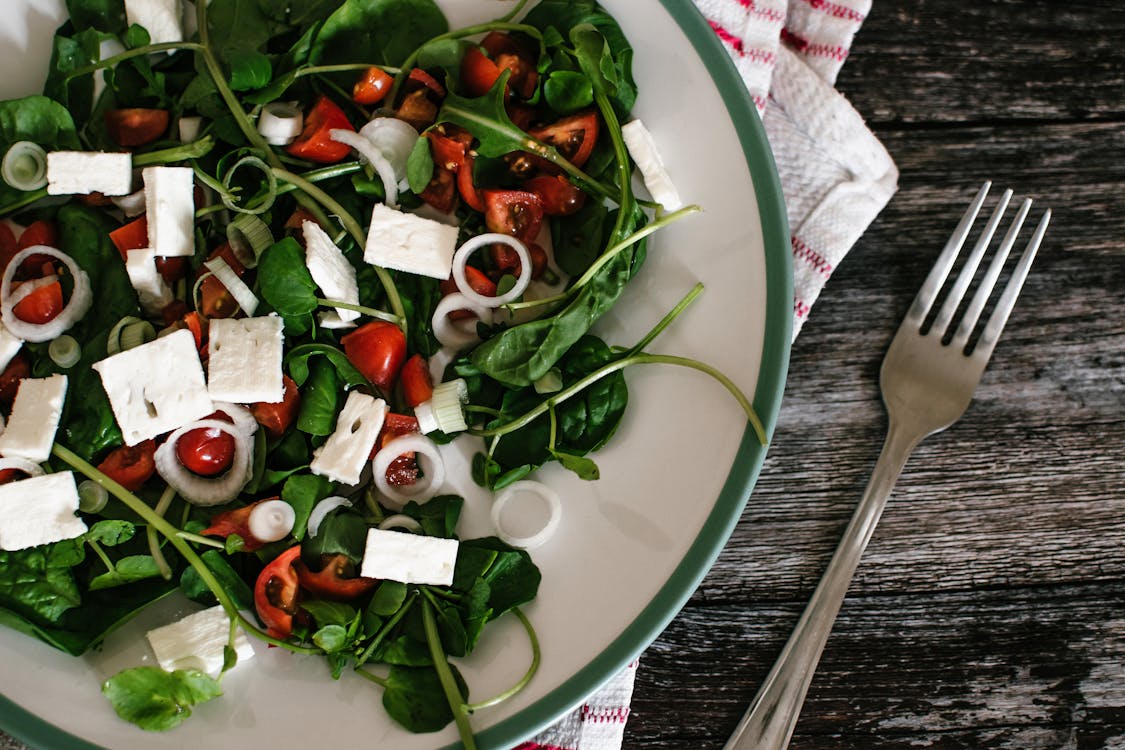
A healthy and light Kapha-pacifying meal with fresh vegetables and lean protein.

Top 7 Ayurvedic Herbs for Hormonal Harmony

Herbs (*Dravyas*) play a crucial role in correcting hormonal imbalances, improving insulin sensitivity, and supporting the health of the reproductive tissues. Many can be found in our **Herb Database**.

  1. Shatavari (Asparagus racemosus): Known as the "Queen of Herbs," **Shatavari** is a premier tonic for the female reproductive system. It is a nourishing *Rasayana* that supports hormonal balance, promotes healthy ovulation, and soothes inflammation.
  2. Gokshura (Tribulus terrestris): This herb is known to support healthy ovarian function and is often used in formulas to reduce cysts and promote regular menstruation. It also has a diuretic effect, helping with water retention.
  3. Ashwagandha (Withania somnifera): As a powerful adaptogen, **Ashwagandha** helps the body manage stress by modulating cortisol levels. Since stress is a major trigger for PCOS symptoms, this herb is invaluable for calming the nervous system and supporting the endocrine axis.
  4. Cinnamon (Twak): More than just a spice, cinnamon has been shown in modern studies to significantly improve insulin sensitivity, making it a crucial herb for managing the metabolic aspects of PCOS.
  5. Punarnava (Boerhavia diffusa): An excellent diuretic and anti-inflammatory herb, Punarnava is highly effective in reducing the bloating and water retention often associated with PCOD/PCOS.
  6. Guduchi (Tinospora cordifolia): This potent immunomodulator and detoxifier helps to kindle Agni, clear Ama from the system, and reduce inflammation, addressing the root causes of the condition.
  7. Triphala: This classic formula of three fruits (Amla, Bibhitaki, Haritaki) is a gentle but effective cleanser for the entire GI tract, supporting healthy Agni and the elimination of toxins.

Lifestyle (Vihara): The Foundation of Healing

Your daily habits are paramount in treating PCOD/PCOS. A disciplined and active lifestyle is essential to balance Kapha and Vata.

  • Follow a Dinacharya: A consistent **daily routine** is crucial. Waking early (before 6 AM), eating at regular times, and sleeping by 10 PM helps to regulate your body's hormonal cycles.
  • Regular Exercise: Vigorous physical activity is non-negotiable. Aim for at least 45 minutes of exercise daily, preferably in the morning during the Kapha time. Brisk walking, jogging, cycling, and dancing are all excellent choices.
  • Stress Management: Chronic stress worsens hormonal imbalance. Incorporate daily practices like meditation, deep breathing (*Pranayama*), or spending time in nature to calm your nervous system.
  • Avoid Daytime Naps: Sleeping during the day, especially after meals, increases Kapha and should be strictly avoided.

Yoga and Pranayama for PCOD/PCOS

Specific yoga asanas and pranayama techniques can be particularly beneficial as they improve circulation to the pelvic region, massage the abdominal organs, and calm the mind.

  • Baddha Konasana (Butterfly Pose): Opens up the hips and improves circulation to the ovaries.
  • Bhujangasana (Cobra Pose): Puts gentle pressure on the abdomen, stimulating ovarian function.
  • Dhanurasana (Bow Pose): A powerful posture for stimulating the reproductive and endocrine glands.
  • Nadi Shodhana (Alternate Nostril Breathing): A calming pranayama that balances the nervous system and hormones.
  • Kapalabhati (Skull Shining Breath): A heating pranayama that stimulates metabolism and helps to reduce Kapha.
A woman practicing a yoga pose like Baddha Konasana (Butterfly Pose) for hormonal health.

Panchakarma: Deep Cleansing for the Reproductive System

For deeper and more lasting results, Ayurveda recommends **Panchakarma**, a set of detoxification therapies performed under the guidance of a practitioner. For PCOD/PCOS, key procedures include:

  • Virechana (Medicated Purgation): An excellent therapy for eliminating excess Pitta and Kapha, clearing toxins, and resetting the metabolism.
  • - Basti (Medicated Enema): Especially *Uttara Basti* (administered through the vaginal route), which directly nourishes and cleanses the reproductive organs and is considered highly effective for many gynecological disorders.
  • Udvartana (Herbal Powder Massage): A vigorous massage using dry herbal powders that stimulates the lymphatic system, breaks down subcutaneous fat, and improves circulation.

Conclusion: A Sustainable Path to Wellness

Ayurvedic treatment for PCOD and PCOS is a journey of restoring balance from within. It empowers you to understand the root causes of your symptoms and provides you with the tools to manage them effectively through conscious choices. By integrating a Kapha-pacifying diet, supportive herbs, and an active, mindful lifestyle, you can regulate your menstrual cycle, achieve a healthy weight, and reclaim your hormonal health. This holistic path is not a quick fix, but a sustainable and empowering approach to creating lasting well-being.

Frequently Asked Questions (FAQs)

How long does Ayurvedic treatment take to show results for PCOS?

With consistent adherence to diet, herbs, and lifestyle changes, most women begin to notice improvements in their cycle regularity and other symptoms within 3 to 6 months. Ayurveda focuses on gradual, sustainable healing.

Can Ayurveda help with infertility caused by PCOS?

Yes, this is one of the primary goals of Ayurvedic treatment. By clearing the channels, balancing hormones, and promoting timely ovulation with herbs like Shatavari and Gokshura, Ayurveda significantly improves the chances of natural conception for many women.

Is it necessary to do Panchakarma?

While not strictly necessary, Panchakarma provides a much deeper level of detoxification and can accelerate the healing process significantly. If Panchakarma is not accessible, following the diet and lifestyle advice diligently is still highly effective.

Can I combine these remedies with my conventional medications like Metformin?

Many Ayurvedic herbs can be safely taken alongside conventional medications, but it is crucial to inform both your doctor and your Ayurvedic practitioner about everything you are taking. Herbs like Cinnamon and Garcinia can affect blood sugar, so coordinated care is essential.

Author's Note: As a BAMS student, I am constantly learning about the profound ability of Ayurveda to address complex modern conditions like PCOS. This article synthesizes the classical approach to *Artava Kshaya* and *Granthi* with practical, actionable steps for a modern lifestyle.
This article is for educational purposes only and is not a substitute for professional medical diagnosis or treatment. Please consult a qualified Ayurvedic practitioner for personalized guidance regarding PCOD/PCOS.

Ayurvedic Weight Loss: A Complete Guide to Reducing Belly Fat Naturally

Ayurvedic Weight Loss: A Complete Guide to Reducing Belly Fat Naturally 🌿

Disclaimer: This guide provides traditional Ayurvedic wisdom for educational purposes only. It is not a substitute for professional medical advice. Always consult a qualified Ayurvedic practitioner or your doctor before starting any new weight loss plan or herbal regimen.

In the pursuit of a healthy weight, many find themselves trapped in a cycle of restrictive crash diets and exhausting workout routines that are difficult to sustain. Ayurveda offers a refreshing and profoundly effective alternative. Instead of focusing on calorie counting, Ayurvedic weight loss is a holistic approach centered on restoring your body's innate metabolic balance, improving digestion, and addressing the root causes of weight gain. This is not a quick fix, but a sustainable path to achieving and maintaining your ideal weight, particularly when it comes to stubborn belly fat.

This comprehensive guide will delve into the core principles of Ayurvedic weight management (*Sthaulya Chikitsa*). We will explore why weight gain happens from an Ayurvedic perspective, provide detailed diet and lifestyle strategies to pacify the doshas, and introduce powerful herbs and home remedies that can naturally and safely support your weight loss journey. By following these time-tested tips, you can not only shed excess weight but also cultivate a deeper sense of well-being and harmony within your body.

A person standing on a weight scale, symbolizing a healthy weight loss journey.

The Ayurvedic View of Weight Gain: Kapha, Agni, and Ama

In Ayurveda, excess weight (*Sthaulya* or *Medo Roga*) is primarily seen as an imbalance of the **Kapha dosha**. Kapha, composed of the Earth and Water elements, is inherently heavy, slow, cool, and dense. When it becomes aggravated through an improper diet and a sedentary lifestyle, these qualities manifest in the body as weight gain, water retention, and a feeling of sluggishness.

However, Kapha is only part of the story. The root of the problem almost always lies with a weakened **Agni** (digestive fire). When your metabolic fire is dull (*Manda Agni*), your body cannot efficiently digest food and metabolize nutrients. This leads to the creation of **Ama**—a sticky, toxic residue of undigested food. This Ama clogs the body's channels (*Srotas*), disrupts tissue metabolism, and eventually settles in the fatty tissue (*Meda Dhatu*), leading to the accumulation of stubborn fat, especially around the abdomen. Therefore, the Ayurvedic approach to weight loss is a three-pronged strategy: **pacify Kapha dosha, kindle Agni, and eliminate Ama.**

Your unique constitution, or **Prakriti**, also plays a significant role. While Kapha types are most prone to weight gain, Pitta types may gain weight due to excess heat leading to a voracious appetite, and Vata types can gain weight from irregular habits and using food to soothe anxiety.

The Kapha-Pacifying Diet for Weight Loss

Diet is the most powerful tool for balancing Kapha and supporting weight loss. The goal is to choose foods that are warm, light, dry, and stimulating, with a focus on the **Pungent, Bitter, and Astringent** tastes.

Foods to Favor

  • Vegetables: Be generous with leafy greens (spinach, kale), cruciferous vegetables (broccoli, cauliflower), and pungent vegetables (onions, radishes).
  • Fruits: Opt for lighter, more astringent fruits like apples, pears, berries, and pomegranates.
  • Grains: Choose light and dry grains like barley, millet, quinoa, and corn.
  • Legumes: Almost all beans and lentils are excellent, especially mung beans, chickpeas, and red lentils.
  • Spices: This is your secret weapon! Use warming and stimulating spices like ginger, black pepper, long pepper (Trikatu), turmeric, cinnamon, and cayenne to boost your Agni.
  • Beverages: Sip on warm water or herbal teas (like ginger or cinnamon tea) throughout the day.

Foods to Reduce or Avoid

  • Sweet Foods: Drastically reduce refined sugar, desserts, and overly sweet fruits like bananas and mangoes.
  • Sour Foods: Minimize sour foods like pickles and excessive citrus.
  • Salty Foods: Reduce table salt, which can cause water retention.
  • Heavy & Oily Foods: Avoid fried foods, heavy meats, and most dairy products (especially cheese, yogurt, and ice cream).
  • Cold Foods & Drinks: Iced water and cold foods dampen Agni and increase Kapha.
A light and spicy lentil soup with fresh herbs, a perfect meal for a Kapha-pacifying diet.

Top 7 Ayurvedic Herbs & Spices to Burn Fat

These powerful herbs and spices can be integrated into your diet to kindle Agni, detoxify Ama, and support fat metabolism. Many can be found in our **Herb Database**.

  1. Triphala: This classic formula of three fruits (Amla, Bibhitaki, Haritaki) is a gentle but effective detoxifier. It cleanses the colon, improves digestion, and helps regulate metabolism. Taking one teaspoon of Triphala powder with warm water before bed is a cornerstone of Ayurvedic weight management.
  2. Guggulu (Commiphora mukul): Guggulu is renowned for its *lekhaniya* (scraping) action. It is traditionally used to scrape away excess fat and toxins from the tissues, lower cholesterol, and kindle Agni.
  3. Trikatu: This warming combination of three pungents (Dry Ginger, Black Pepper, Long Pepper) is a powerful metabolic booster. It ignites Agni, burns Ama, and enhances the bioavailability of other nutrients and herbs.
  4. Ginger (Shunthi): Fresh or dry ginger is a universal medicine for digestion. It stimulates Agni, reduces nausea, and helps to clear congestion and heaviness associated with Kapha.
  5. Cinnamon (Twak): This warming spice helps to manage blood sugar levels, reduce cravings for sweets, and boost metabolism.
  6. Punarnava (Boerhavia diffusa): An excellent diuretic, Punarnava is highly effective in reducing water retention and bloating, which are common issues in Kapha-related weight gain.
  7. Garcinia Cambogia (Vrikshamla): This sour fruit is popular in modern weight loss supplements. In Ayurveda, it is used to suppress appetite, improve metabolism, and inhibit the body's ability to store fat.

Lifestyle (Vihara): Daily Routines to Boost Metabolism

Your daily habits are just as important as your diet. A Kapha-pacifying lifestyle is active, stimulating, and consistent.

Embrace an Active Dinacharya (Daily Routine)

  • Wake Early: Rise before 6 AM, during the Vata time of day, to avoid the sluggishness of the morning Kapha period.
  • Morning Cleansing: Start your day with a glass of warm lemon and honey water to stimulate digestion and cleanse the system.
  • Garshana (Dry Brushing): Before your shower, vigorously massage your body with raw silk gloves. This stimulates lymphatic drainage, improves circulation, and combats the heaviness of Kapha.
  • Avoid Daytime Naps: Sleeping during the day, especially after meals, increases Kapha and slows metabolism.
  • Eat a Light Dinner Early: Finish your last meal by 7 PM to allow for complete digestion before sleep.

Yoga Asanas and Exercise for Reducing Belly Fat

Exercise is non-negotiable for balancing Kapha and losing weight. The goal is to create heat, stimulate circulation, and challenge your endurance.

  • Surya Namaskar (Sun Salutation): Performing 6-12 rounds of Sun Salutations each morning is a fantastic full-body workout that builds heat and improves flexibility.
  • Invigorating Asanas: Focus on dynamic and heating poses like Warrior poses (Virabhadrasana), Bow Pose (Dhanurasana), Cobra Pose (Bhujangasana), and spinal twists (Ardha Matsyendrasana).
  • Pranayama: Practice heating breathwork like *Bhastrika* (Bellows Breath) and *Kapalabhati* (Skull Shining Breath) to increase metabolic rate and clear congestion.
  • Cardiovascular Exercise: Incorporate at least 30 minutes of brisk walking, jogging, cycling, or dancing into your daily routine.
A person performing an invigorating yoga pose outdoors, beneficial for weight loss.

Advanced Ayurvedic Therapies for Weight Loss

For more stubborn weight issues, Ayurveda offers powerful in-clinic therapies that should be performed under the guidance of a qualified practitioner. **Udvartana** is a key therapy where the entire body is vigorously massaged with dry, warming herbal powders. This exfoliates the skin, breaks down subcutaneous fat, improves circulation, and leaves the body feeling light and energized.

Conclusion: A Holistic Path to a Balanced Weight

Ayurvedic weight loss is not about deprivation; it's about re-establishing harmony. By understanding the roles of Kapha, Agni, and Ama, you can make intelligent choices that support your body's natural ability to maintain a healthy weight. The journey begins with small, consistent steps: sip warm water, add some ginger to your meal, go for a brisk walk. By combining a Kapha-pacifying diet with an active lifestyle and the support of powerful Ayurvedic herbs, you can safely and effectively reduce excess weight, particularly belly fat, and cultivate a life of lasting energy and vitality.

Frequently Asked Questions (FAQs)

How fast can I lose weight with Ayurveda?

Ayurvedic weight loss is gradual and sustainable, not a crash diet. A healthy and realistic goal is to lose 1-2 kg per month. The focus is on creating lasting lifestyle changes that support a healthy metabolism for life.

Is ghee good for weight loss?

In small amounts (e.g., one teaspoon per meal), ghee can actually support weight loss by kindling Agni and helping to pull fat-soluble toxins from the tissues. However, excessive consumption can increase Kapha and lead to weight gain.

Do I have to be a vegetarian to lose weight with Ayurveda?

No, but Ayurveda recommends favoring lighter, more easily digestible proteins. If you eat meat, it's best to choose white meat like chicken or fish, prepared in a soup or stew, and avoid heavy red meats.

What is the most important meal to focus on for weight loss?

Dinner. Eating a light, warm, and early dinner (before 7 PM) is one of the most impactful changes you can make. This allows your digestive system to rest and your body to focus on detoxification and fat metabolism overnight.

Author's Note: As a BAMS student, I'm constantly learning about the holistic and sustainable approaches Ayurveda offers for modern health challenges like weight management. This article is a compilation of foundational principles from classical texts that I find both effective and empowering.
The information provided here is for educational purposes only. Always consult with a qualified healthcare professional or Ayurvedic practitioner before starting any new diet or weight loss program.

Ayurvedic Home Remedies for Cold and Cough: A Complete Natural Guide

Ayurvedic Home Remedies for Cold and Cough: Fast & Natural Relief

This definitive guide offers the best Ayurvedic home remedies for cold and cough. Discover how to use simple kitchen ingredients like ginger, tulsi, and turmeric for fast, natural relief, and learn the diet and lifestyle tips to support your respiratory health and boost immunity.

When the first signs of a cold appear—a scratchy throat, a stuffy nose, a nagging cough—it's easy to reach for conventional medicine. But what if your kitchen held the key to not just soothing your symptoms, but addressing the root cause of the imbalance? For thousands of years, Ayurveda has provided a holistic framework for managing respiratory ailments using the potent healing power of nature.

This guide will walk you through Ayurveda's profound understanding of colds and coughs, moving beyond a one-size-fits-all approach to offer targeted, natural healing solutions. By learning to support your body's innate intelligence, you can find effective relief and build a more resilient immune system for the future.

A vibrant spread of Ayurvedic spices like turmeric, ginger, and cloves used for natural healing and digestive health.

The Ayurvedic View of a Cold: An Imbalance of Agni, Kapha, and Vata

In Ayurveda, a common cold, known as *Pratishyaya*, is seen not as an attack by an external pathogen, but as a sign of an internal imbalance. The root cause almost always begins with a weakened digestive fire, or **Agni**. When Agni is compromised by factors like stress, poor diet, or exposure to cold, it cannot properly digest food. This leads to the formation of a sticky, toxic residue called **Ama**.

This Ama then combines with an aggravated **Kapha dosha** (the energy of earth and water), which governs mucus and fluid balance in the body. The cold, heavy qualities of Ama-laden Kapha obstruct the respiratory channels (*Pranavaha Srotas*), leading to congestion, a runny nose, and a feeling of heaviness. Often, **Vata dosha** (the energy of air and movement) is also involved, pushing the cold mucus around the body and causing symptoms like a scratchy throat, body aches, and a hacking cough. Therefore, the Ayurvedic approach is brilliantly simple: rekindle Agni, pacify Kapha and Vata, and eliminate Ama.

"Rogas sarve’pi mande’gnau." - Ashtanga Hridayam

This foundational Ayurvedic sutra translates to: "All diseases have their origin in a weakened digestive fire (Agni)." This is the guiding principle for treating a cold and cough—we must first tend to the digestive system.

Not All Coughs Are Created Equal: Understanding Kasa (Cough)

Ayurveda recognizes that a cough (*Kasa*) is a symptom, not a disease, and astutely classifies it based on the dominant dosha. Identifying your type of cough is key to choosing the most effective remedy. While most colds involve a Kapha-type cough, it's helpful to know the distinctions.

  • Vata Cough: This is a dry, hacking, and often painful cough with little to no mucus. It may be accompanied by a hoarse voice and a feeling of a raw throat. The goal here is to soothe and lubricate.
  • Pitta Cough: This cough often involves a burning sensation in the chest or throat and the expectoration of small amounts of yellow or green-tinged phlegm. The goal is to cool and reduce inflammation.
  • Kapha Cough: This is the classic "wet" cough—congestive, productive, and accompanied by abundant, thick, white, or clear mucus. The goal is to use warming, drying, and expectorant remedies to liquefy and expel the mucus.

For a deeper understanding of your unique constitution and tendencies, consider taking our Prakriti Quiz.

A steaming cup of Ayurvedic herbal tea (kadha) with ginger, lemon, and honey for natural cold and cough relief.

Top Ayurvedic Home Remedies for Fast, Natural Relief

These time-tested remedies utilize the medicinal power of common kitchen ingredients to soothe symptoms, kindle Agni, and restore balance. They are most effective when used at the very first sign of a cold.

1. Ginger-Tulsi Herbal Tea (Kadha)

This classic Ayurvedic decoction is a powerhouse for respiratory health. Ginger is a potent digestive and expectorant that liquefies Kapha, while Tulsi is a sacred herb known for its immunomodulatory and antimicrobial properties. This tea provides immediate relief for a sore throat and chest congestion.

How to Prepare: Boil a 1-inch piece of grated fresh ginger and 5-6 fresh Tulsi leaves in 2 cups of water for about 10 minutes, until the liquid reduces by half. Strain, let it cool to a drinkable temperature, and then add 1 teaspoon of raw honey and a squeeze of lemon juice. Sip this warm tea 2-3 times a day.

2. Turmeric Milk (Haldi Doodh or Golden Milk)

This soothing, anti-inflammatory beverage is a comforting remedy, especially for a dry, irritated throat and cough. Turmeric's active compound, curcumin, is a powerful anti-inflammatory, and a study published in the Journal of Foods highlights its wide range of therapeutic properties.

How to Prepare: Gently heat 1 cup of milk (or a non-dairy alternative like almond milk). Stir in 1/2 teaspoon of high-quality turmeric powder and a pinch of black pepper (which dramatically increases curcumin's absorption). Sip this warm beverage before bedtime to promote restful sleep and soothe a cough.

3. Honey, Ginger & Black Pepper Syrup

This simple yet potent mixture acts as a natural expectorant and throat soother. Honey is a demulcent that coats and calms irritated tissues, while ginger and black pepper work to break up and expel stubborn mucus from the respiratory tract.

How to Use: Mix one teaspoon of raw honey with one teaspoon of fresh ginger juice and a generous pinch of freshly ground black pepper. Take this mixture slowly, allowing it to coat your throat, 2-3 times a day.

4. Herbal Steam Inhalation (Swedana)

Steam inhalation is one of the most direct and effective ways to loosen thick mucus in the sinuses and lungs. This practice of *Swedana* (sudation) helps to open the channels, reduce congestion, and relieve the feeling of heaviness in the head.

How to Do It: Bring a pot of water to a boil and carefully transfer it to a large, heat-proof bowl. Add a few drops of eucalyptus oil or a handful of fresh mint, Tulsi, or Ajwain (carom seeds). Drape a towel over your head to create a tent, lean over the bowl (at a safe distance), and inhale the steam deeply through your nose and mouth for 5-10 minutes. Repeat twice daily.

A simple bowl of nourishing Ayurvedic soup (kitchari), the ideal food for recovery from a cold.

The Ayurvedic Diet for a Cold (Pathya-Apathya)

During a cold, your Agni is compromised, so it is crucial to eat foods that are light, warm, and easy to digest. The goal is to nourish the body without overburdening the digestive system. This is the principle of *Pathya* (wholesome) and *Apathya* (unwholesome).

Foods to Favor (Pathya)

  • Warm, Light Soups: Simple vegetable broths and light mung dal soup (kitchari) are the perfect foods. They are nourishing, hydrating, and easy on the digestive system.
  • Steamed Vegetables: Choose vegetables that are easy to digest, like zucchini, carrots, and leafy greens.
  • Warming Grains: Barley is particularly good for drying excess Kapha. Cooked quinoa and aged basmati rice are also good choices.
  • Generous Spices: Use plenty of digestive spices like ginger, garlic, turmeric, black pepper, and cinnamon to kindle Agni and clear congestion.
  • Warm Liquids: Sip warm water or herbal teas like CCF (Cumin, Coriander, Fennel) tea throughout the day to stay hydrated and flush toxins.

Foods to Avoid (Apathya)

  • Dairy Products: Milk, cheese, and especially cold yogurt are highly mucus-forming and should be avoided.
  • Cold, Heavy, and Oily Foods: This includes fried foods, heavy meats, salads, smoothies, and iced drinks, all of which extinguish a weak Agni.
  • Sweet and Sour Tastes: Refined sugar and overly sour foods (like citrus in excess) can increase Kapha and congestion.

For a deeper understanding of these principles, explore our complete guide to Ayurvedic nutrition.

Frequently Asked Questions

How long does it take for these Ayurvedic remedies to work?

With consistent use, you can often feel a noticeable improvement in acute symptoms like a sore throat and congestion within 24 to 48 hours. For a lingering cough or deeper imbalance, it may take several days of diligent application of these remedies and dietary guidelines to see significant results.

Why should honey never be heated?

Ayurveda teaches that heating honey changes its molecular structure, turning it into a form of Ama (a sticky toxin) that is very difficult for the body to digest and can clog the channels. Therefore, honey should always be added to liquids that have cooled down to a warm, drinkable temperature, never to boiling water.

Are these remedies safe for children?

Most of these remedies, like turmeric milk and steam inhalation, can be adapted for children, but the dosages of herbs must be significantly reduced. Honey should never be given to infants under one year of age. It is always essential to consult a pediatrician or a qualified Ayurvedic practitioner for guidance on treating children.

When is it necessary to see a doctor?

While these home remedies are very effective for common colds, it is important to seek professional medical advice if you experience a high fever (above 102°F or 38.9°C) that persists for more than three days, severe difficulty breathing, chest pain, or if your symptoms worsen significantly instead of improving.

Personal Note from the Author: As a second-year BAMS student, I've come to rely on the simple, powerful wisdom of these kitchen remedies. The principles of strengthening Agni and pacifying Kapha are foundational to our studies. This article is my effort to share this classical knowledge in a practical way that I, and my family, use to stay healthy through the changing seasons.

Disclaimer: This article is for educational purposes only and reflects my current understanding as an Ayurvedic student. It is not intended to diagnose or treat any disease. Please consult with a qualified Ayurvedic practitioner or healthcare provider for any health concerns.

Amidha Ayurveda