Amidha Ayurveda

Showing posts with label Natural Healing. Show all posts

30/05/25

Ayurvedic Home Remedies for Cold and Cough: A Complete Natural Guide

Ayurvedic Home Remedies for Cold and Cough: Fast & Natural Relief

This definitive guide offers the best Ayurvedic home remedies for cold and cough. Discover how to use simple kitchen ingredients like ginger, tulsi, and turmeric for fast, natural relief, and learn the diet and lifestyle tips to support your respiratory health and boost immunity.

When the first signs of a cold appear—a scratchy throat, a stuffy nose, a nagging cough—it's easy to reach for conventional medicine. But what if your kitchen held the key to not just soothing your symptoms, but addressing the root cause of the imbalance? For thousands of years, Ayurveda has provided a holistic framework for managing respiratory ailments using the potent healing power of nature.

This guide will walk you through Ayurveda's profound understanding of colds and coughs, moving beyond a one-size-fits-all approach to offer targeted, natural healing solutions. By learning to support your body's innate intelligence, you can find effective relief and build a more resilient immune system for the future.

A vibrant spread of Ayurvedic spices like turmeric, ginger, and cloves used for natural healing and digestive health.

The Ayurvedic View of a Cold: An Imbalance of Agni, Kapha, and Vata

In Ayurveda, a common cold, known as *Pratishyaya*, is seen not as an attack by an external pathogen, but as a sign of an internal imbalance. The root cause almost always begins with a weakened digestive fire, or **Agni**. When Agni is compromised by factors like stress, poor diet, or exposure to cold, it cannot properly digest food. This leads to the formation of a sticky, toxic residue called **Ama**.

This Ama then combines with an aggravated **Kapha dosha** (the energy of earth and water), which governs mucus and fluid balance in the body. The cold, heavy qualities of Ama-laden Kapha obstruct the respiratory channels (*Pranavaha Srotas*), leading to congestion, a runny nose, and a feeling of heaviness. Often, **Vata dosha** (the energy of air and movement) is also involved, pushing the cold mucus around the body and causing symptoms like a scratchy throat, body aches, and a hacking cough. Therefore, the Ayurvedic approach is brilliantly simple: rekindle Agni, pacify Kapha and Vata, and eliminate Ama.

"Rogas sarve’pi mande’gnau." - Ashtanga Hridayam

This foundational Ayurvedic sutra translates to: "All diseases have their origin in a weakened digestive fire (Agni)." This is the guiding principle for treating a cold and cough—we must first tend to the digestive system.

Not All Coughs Are Created Equal: Understanding Kasa (Cough)

Ayurveda recognizes that a cough (*Kasa*) is a symptom, not a disease, and astutely classifies it based on the dominant dosha. Identifying your type of cough is key to choosing the most effective remedy. While most colds involve a Kapha-type cough, it's helpful to know the distinctions.

  • Vata Cough: This is a dry, hacking, and often painful cough with little to no mucus. It may be accompanied by a hoarse voice and a feeling of a raw throat. The goal here is to soothe and lubricate.
  • Pitta Cough: This cough often involves a burning sensation in the chest or throat and the expectoration of small amounts of yellow or green-tinged phlegm. The goal is to cool and reduce inflammation.
  • Kapha Cough: This is the classic "wet" cough—congestive, productive, and accompanied by abundant, thick, white, or clear mucus. The goal is to use warming, drying, and expectorant remedies to liquefy and expel the mucus.

For a deeper understanding of your unique constitution and tendencies, consider taking our Prakriti Quiz.

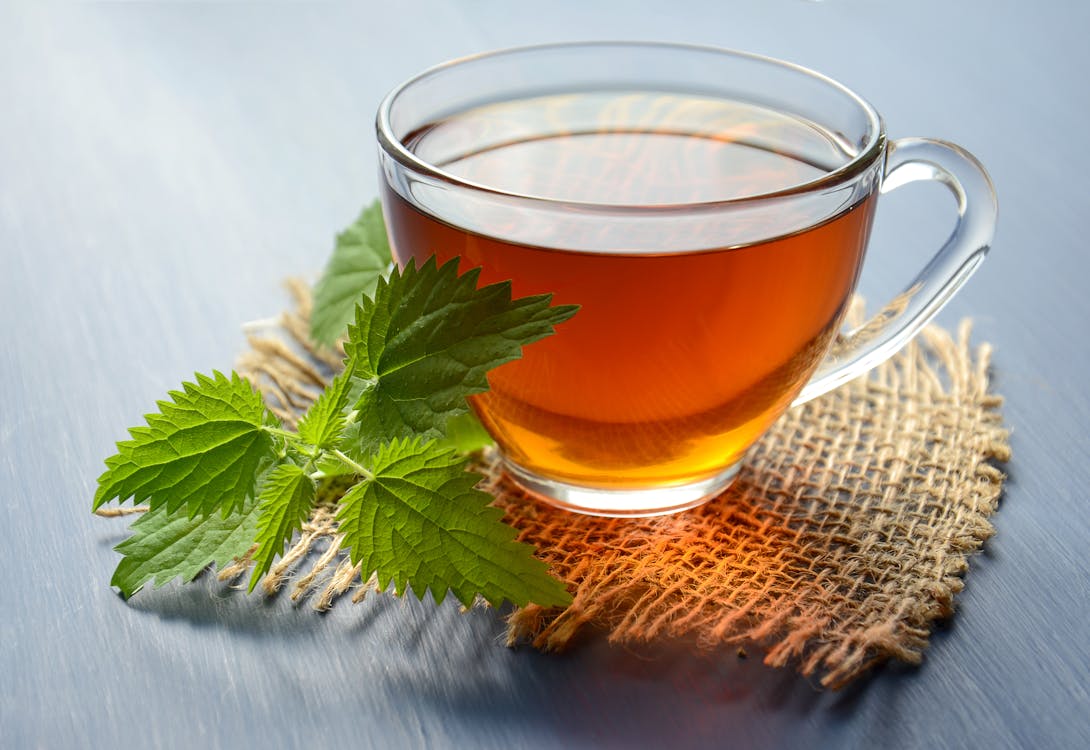
A steaming cup of Ayurvedic herbal tea (kadha) with ginger, lemon, and honey for natural cold and cough relief.

Top Ayurvedic Home Remedies for Fast, Natural Relief

These time-tested remedies utilize the medicinal power of common kitchen ingredients to soothe symptoms, kindle Agni, and restore balance. They are most effective when used at the very first sign of a cold.

1. Ginger-Tulsi Herbal Tea (Kadha)

This classic Ayurvedic decoction is a powerhouse for respiratory health. Ginger is a potent digestive and expectorant that liquefies Kapha, while Tulsi is a sacred herb known for its immunomodulatory and antimicrobial properties. This tea provides immediate relief for a sore throat and chest congestion.

How to Prepare: Boil a 1-inch piece of grated fresh ginger and 5-6 fresh Tulsi leaves in 2 cups of water for about 10 minutes, until the liquid reduces by half. Strain, let it cool to a drinkable temperature, and then add 1 teaspoon of raw honey and a squeeze of lemon juice. Sip this warm tea 2-3 times a day.

2. Turmeric Milk (Haldi Doodh or Golden Milk)

This soothing, anti-inflammatory beverage is a comforting remedy, especially for a dry, irritated throat and cough. Turmeric's active compound, curcumin, is a powerful anti-inflammatory, and a study published in the Journal of Foods highlights its wide range of therapeutic properties.

How to Prepare: Gently heat 1 cup of milk (or a non-dairy alternative like almond milk). Stir in 1/2 teaspoon of high-quality turmeric powder and a pinch of black pepper (which dramatically increases curcumin's absorption). Sip this warm beverage before bedtime to promote restful sleep and soothe a cough.

3. Honey, Ginger & Black Pepper Syrup

This simple yet potent mixture acts as a natural expectorant and throat soother. Honey is a demulcent that coats and calms irritated tissues, while ginger and black pepper work to break up and expel stubborn mucus from the respiratory tract.

How to Use: Mix one teaspoon of raw honey with one teaspoon of fresh ginger juice and a generous pinch of freshly ground black pepper. Take this mixture slowly, allowing it to coat your throat, 2-3 times a day.

4. Herbal Steam Inhalation (Swedana)

Steam inhalation is one of the most direct and effective ways to loosen thick mucus in the sinuses and lungs. This practice of *Swedana* (sudation) helps to open the channels, reduce congestion, and relieve the feeling of heaviness in the head.

How to Do It: Bring a pot of water to a boil and carefully transfer it to a large, heat-proof bowl. Add a few drops of eucalyptus oil or a handful of fresh mint, Tulsi, or Ajwain (carom seeds). Drape a towel over your head to create a tent, lean over the bowl (at a safe distance), and inhale the steam deeply through your nose and mouth for 5-10 minutes. Repeat twice daily.

A simple bowl of nourishing Ayurvedic soup (kitchari), the ideal food for recovery from a cold.

The Ayurvedic Diet for a Cold (Pathya-Apathya)

During a cold, your Agni is compromised, so it is crucial to eat foods that are light, warm, and easy to digest. The goal is to nourish the body without overburdening the digestive system. This is the principle of *Pathya* (wholesome) and *Apathya* (unwholesome).

Foods to Favor (Pathya)

  • Warm, Light Soups: Simple vegetable broths and light mung dal soup (kitchari) are the perfect foods. They are nourishing, hydrating, and easy on the digestive system.
  • Steamed Vegetables: Choose vegetables that are easy to digest, like zucchini, carrots, and leafy greens.
  • Warming Grains: Barley is particularly good for drying excess Kapha. Cooked quinoa and aged basmati rice are also good choices.
  • Generous Spices: Use plenty of digestive spices like ginger, garlic, turmeric, black pepper, and cinnamon to kindle Agni and clear congestion.
  • Warm Liquids: Sip warm water or herbal teas like CCF (Cumin, Coriander, Fennel) tea throughout the day to stay hydrated and flush toxins.

Foods to Avoid (Apathya)

  • Dairy Products: Milk, cheese, and especially cold yogurt are highly mucus-forming and should be avoided.
  • Cold, Heavy, and Oily Foods: This includes fried foods, heavy meats, salads, smoothies, and iced drinks, all of which extinguish a weak Agni.
  • Sweet and Sour Tastes: Refined sugar and overly sour foods (like citrus in excess) can increase Kapha and congestion.

For a deeper understanding of these principles, explore our complete guide to Ayurvedic nutrition.

Frequently Asked Questions

How long does it take for these Ayurvedic remedies to work?

With consistent use, you can often feel a noticeable improvement in acute symptoms like a sore throat and congestion within 24 to 48 hours. For a lingering cough or deeper imbalance, it may take several days of diligent application of these remedies and dietary guidelines to see significant results.

Why should honey never be heated?

Ayurveda teaches that heating honey changes its molecular structure, turning it into a form of Ama (a sticky toxin) that is very difficult for the body to digest and can clog the channels. Therefore, honey should always be added to liquids that have cooled down to a warm, drinkable temperature, never to boiling water.

Are these remedies safe for children?

Most of these remedies, like turmeric milk and steam inhalation, can be adapted for children, but the dosages of herbs must be significantly reduced. Honey should never be given to infants under one year of age. It is always essential to consult a pediatrician or a qualified Ayurvedic practitioner for guidance on treating children.

When is it necessary to see a doctor?

While these home remedies are very effective for common colds, it is important to seek professional medical advice if you experience a high fever (above 102°F or 38.9°C) that persists for more than three days, severe difficulty breathing, chest pain, or if your symptoms worsen significantly instead of improving.

Personal Note from the Author: As a second-year BAMS student, I've come to rely on the simple, powerful wisdom of these kitchen remedies. The principles of strengthening Agni and pacifying Kapha are foundational to our studies. This article is my effort to share this classical knowledge in a practical way that I, and my family, use to stay healthy through the changing seasons.

Disclaimer: This article is for educational purposes only and reflects my current understanding as an Ayurvedic student. It is not intended to diagnose or treat any disease. Please consult with a qualified Ayurvedic practitioner or healthcare provider for any health concerns.

Top 7 Ayurvedic Herbs to Boost Immunity: A Complete Natural Guide

Top 7 Ayurvedic Herbs to Boost Immunity: A Complete Natural Guide

This comprehensive guide explores Ayurveda's approach to building robust immunity. Discover seven powerful Ayurvedic herbs, including Ashwagandha and Tulsi, that strengthen your body's natural defenses, enhance vitality, and promote holistic wellness by balancing your inner ecosystem.

In our modern world, the quest for a strong immune system has never been more critical. We are constantly navigating environmental stressors, demanding lifestyles, and exposure to new pathogens. While conventional approaches often focus on reactive measures, Ayurveda, the ancient Indian science of life, offers a profound and proactive path to building deep, lasting immune resilience. This approach is known as Vyadhikshamatva—the body’s innate power to resist and overcome disease.

Ayurveda teaches that true immunity is not merely an army of cells waiting to fight invaders; it is the harmonious expression of a balanced mind-body system. It is the end result of strong digestion, a calm nervous system, and a vibrant life force. This guide will delve into the core Ayurvedic principles of immunity and introduce you to seven of the most revered herbal allies (dravyas) that have been used for millennia to fortify our natural defenses from the inside out.

A vibrant collection of Ayurvedic herbs and spices in bowls, including turmeric and ginger, to boost immunity naturally.

The Ayurvedic Trinity of Immunity: Ojas, Agni, and Ama

Ayurveda's understanding of immunity is built upon the interplay of three fundamental concepts: Ojas (vital essence), Agni (digestive fire), and Ama (metabolic toxins). These three pillars are interconnected, and their balance is the ultimate determinant of your health and resilience. A strong defense system begins not on the battlefield of germs, but in the core of your digestive tract.

1. Ojas: The Essence of Vitality and Immune Strength

Ojas is the most refined product of healthy digestion and tissue metabolism; it is the pure essence that gives the body strength, vigor, and immunity. Described in classical texts as having the color of ghee and the smell of honey, Ojas is the biological substance that sustains our life force (prana). When Ojas is abundant, our immune system is strong, our mind is clear, our skin glows, and we feel a deep sense of contentment. Chronic stress, poor diet, and irregular lifestyle choices deplete Ojas, leaving us vulnerable to disease.

2. Agni: The Gatekeeper of Health and Digestion

Agni is the sacred fire of digestion and metabolism that governs all transformation in the body. A balanced Agni is the single most important factor for good health in Ayurveda. It efficiently breaks down the food we eat, assimilates nutrients, and eliminates waste. More importantly, a strong Agni is essential for the creation of healthy Ojas. When Agni is weak or disturbed, digestion is incomplete, leading to the formation of a toxic substance called Ama.

3. Ama: The Root Cause of Disease and Weak Immunity

Ama is the sticky, toxic residue of improper digestion. When Agni is compromised, undigested food particles linger in the gastrointestinal tract, fermenting and creating a foul-smelling substance that clogs the body's channels (srotas). This Ama can then circulate throughout the body, settling in tissues and organs, disrupting cellular function, and creating a fertile breeding ground for pathogens. According to Ayurveda, the presence of Ama is the primary cause of weakened immunity and the starting point for most diseases.

Strong Agni (Digestive Fire)
Proper Digestion & No Ama (Toxins)
Nourishment of all Tissues (Dhatus)
Abundant Ojas (Vital Essence)
Strong Immunity (Vyadhikshamatva)

"The balanced state of the doshas, agnis, dhatus, the proper elimination of malas (wastes), and the blissful state of the Atma (soul), Indriyas (senses), and Manas (mind) are the definition of a healthy person." - Sushruta Samhita

The 7 Best Ayurvedic Herbs for Natural Immune Support

Ayurvedic herbs for immunity are known as *Rasayanas* (rejuvenators) and *immunomodulators*. They work not by artificially stimulating the immune system, but by holistically nourishing the body, strengthening Agni, reducing Ama, and building Ojas. Here are seven of the most revered herbs for cultivating deep immune resilience.

1. Ashwagandha (Withania somnifera) - The Stress Adaptogen

Ashwagandha, often called "Indian Ginseng," is Ayurveda's premier adaptogenic herb. Its main role in immunity is to help the body adapt to and manage stress. Chronic stress elevates cortisol levels, which directly suppresses immune function and depletes Ojas. By regulating cortisol, Ashwagandha preserves our vital energy and allows the immune system to function without hindrance. A study published in the Indian Journal of Psychological Medicine confirmed its remarkable stress-reducing effects. It also enhances the activity of natural killer cells, a type of immune cell that fights infection. Explore more about this powerful herb on our Ashwagandha page.

2. Tulsi (Ocimum sanctum) - The Queen of Herbs

Tulsi, or Holy Basil, is revered in India for its spiritual and medicinal properties. This sacred plant is a powerful antimicrobial, antiviral, and anti-inflammatory agent. It is particularly beneficial for respiratory health, helping to clear congestion and protect the lungs from environmental pollutants and pathogens. As a potent adaptogen, Tulsi helps the body cope with stress. A simple daily ritual of drinking Tulsi tea can significantly bolster your body's defenses and promote mental clarity.

3. Guduchi / Giloy (Tinospora cordifolia) - The Nectar of Immortality

Known in Sanskrit as "Amrita," Guduchi is one of the most powerful detoxifying and immune-boosting herbs in the Ayurvedic pharmacopoeia. It is a potent *tridoshic* herb, meaning it balances all three doshas. Guduchi is a master at clearing Ama from the system and strengthening Agni. It is a powerful immunomodulator that enhances the function of macrophages and is renowned for its ability to fight fevers and infections. It helps the body build a strong, intelligent defense system.

4. Amla (Emblica officinalis) - The Ultimate Rejuvenator

Amla, the Indian Gooseberry, is celebrated as one of the richest natural sources of Vitamin C, a crucial nutrient for immune cell function. However, its power extends far beyond a single vitamin. Amla is a premier *Rasayana* (rejuvenator) that builds Ojas and nourishes all seven layers of the body's tissues (Dhatus). Its potent antioxidant properties protect the body from free radical damage, a key driver of aging and disease. Regular consumption of Amla supports a healthy inflammatory response and robust immunity.

5. Turmeric (Curcuma longa) - The Golden Anti-Inflammatory

This vibrant golden spice is a cornerstone of both Indian cuisine and Ayurvedic medicine. Its primary active compound, curcumin, is a world-renowned anti-inflammatory and antioxidant. Chronic, low-grade inflammation can exhaust the immune system, leaving it unable to respond effectively to real threats. By modulating the body's inflammatory pathways, Turmeric helps to maintain a balanced and efficient immune response. It also supports a healthy gut microbiome, which is foundational to immunity.

6. Ginger (Zingiber officinale) - The Universal Medicine

Known in Ayurveda as *Vishwabhesaj* (the universal medicine), Ginger is unmatched in its ability to kindle Agni. By stimulating the digestive fire, it helps to burn Ama, improve nutrient absorption, and clear the body's channels. A strong Agni is the first line of defense against disease. Ginger is also excellent for the respiratory system, as its warming quality helps to liquefy and expel Kapha congestion from the lungs. A simple tea made from fresh ginger is a classic remedy for the first sign of a cold.

7. Licorice (Glycyrrhiza glabra) - The Soothing Harmonizer

Licorice root, or *Yashtimadhu*, is a sweet, soothing herb that supports respiratory and adrenal health. It acts as an expectorant, helping to clear mucus from the lungs, while its demulcent properties soothe irritation in the throat and digestive tract. As an adaptogen, Licorice supports the adrenal glands, which can become fatigued from chronic stress. By supporting adrenal function, it helps preserve our deep immune reserves (Ojas).

Lifestyle: The True Foundation of Immunity

While these herbal allies are incredibly powerful, Ayurveda teaches that no herb can replace the foundational pillars of a healthy lifestyle. True, sustainable immunity is built day by day through conscious choices. The most important practice for robust health is following a **Dinacharya** (daily routine). This includes waking early, eating meals at regular times, getting adequate and restful sleep, and managing stress through practices like meditation and pranayama. When these pillars are firmly in place, Ayurvedic herbs can work most effectively to elevate your health to its highest potential. Ready to discover your unique constitution to personalize your routine? Try our Prakriti Quiz today!

Frequently Asked Questions

How do Ayurvedic herbs for immunity differ from over-the-counter supplements?

Over-the-counter supplements often contain isolated chemical compounds (like Vitamin C). Ayurvedic herbs, in contrast, provide these compounds in their whole, natural form, complete with a symphony of other phytonutrients that work in synergy. This holistic approach enhances bioavailability and offers a broader range of benefits, such as supporting digestion and reducing stress, which supplements alone do not.

Can I take these herbs every day?

Many of these herbs, especially Rasayanas like Amla and Ashwagandha, are designed for long-term use to build vitality over time. Others, like Guduchi, are excellent for seasonal use or during times of high exposure to illness. It is always best to consult a qualified Ayurvedic practitioner to create a personalized herbal plan that suits your unique constitution and needs.

Which herb is best for me to start with?

A great starting point for most people is Tulsi. A daily cup of Tulsi tea is a simple, safe, and effective way to support respiratory health and manage daily stress. If your primary concern is stress, Ashwagandha is an excellent choice. If you have sluggish digestion, start with Ginger. Listen to your body and see what resonates most.

Personal Note from the Author: As a second-year BAMS student, the study of *Dravya Guna* (Ayurvedic pharmacology) has opened my eyes to the incredible intelligence of nature. These herbs are not just substances; they are ancient allies in our journey toward health. This article is my effort to share the profound wisdom of classical texts and connect it with the modern need for resilience and vitality. My own experience with herbs like Tulsi and Ashwagandha has been transformative, and I hope this guide inspires you to explore their benefits.

Disclaimer: This article is for educational purposes only and reflects my current understanding as an Ayurvedic student. It is not intended as a substitute for professional medical advice. Please consult with a qualified Ayurvedic practitioner or healthcare provider before starting any new herbal regimen.

What is Ayurveda? A Complete Beginner's Guide to Holistic Healing

What is Ayurveda? A Complete Beginner's Guide to Holistic Healing

This comprehensive guide explains Ayurveda, the 5,000-year-old Indian system of holistic healing. Discover the core concepts of the three doshas (Vata, Pitta, Kapha), the five elements, and how to achieve profound mind-body balance for a life of vibrant, natural health.

In a world searching for deeper well-being beyond just treating symptoms, an ancient wisdom tradition is re-emerging as a powerful guide for modern life. This tradition is Ayurveda, a 5,000-year-old system of natural healing with its origins in the Vedic culture of India. More than just a collection of herbal remedies, Ayurveda is a profound "science of life" (Ayur = life, Veda = science or knowledge) that offers a holistic blueprint for achieving harmony between your mind, body, and spirit.

At its core, Ayurveda teaches that health is our natural state, and that illness arises when we fall out of sync with nature and our own unique constitution. It provides a personalized framework for understanding yourself, your environment, and how to make conscious choices that promote vitality, prevent disease, and cultivate a joyful existence. Ready to unlock this time-tested wisdom? Let's begin.

The Five Elements (Panchamahabhutas): The Building Blocks of Life

The Panchamahabhutas, or five great elements, are the foundational concept of Ayurveda. This philosophy posits that all matter in the universe, from the farthest star to a single human cell, is composed of a unique combination of five elements: Ether (Space), Air, Fire, Water, and Earth. These are not just physical substances but energetic principles that define the qualities of everything we interact with.

In the human body, these five elements manifest as the functional building blocks of our entire physiology. Understanding their qualities is the first step to grasping the nature of the three doshas and the art of Ayurvedic medicine. Every substance you consume, every environment you inhabit, and every emotion you feel has a unique elemental makeup that influences your internal balance.

  • Akasha (Ether/Space): Represents emptiness, potential, and consciousness. In the body, it governs all hollow spaces, like the mouth, sinuses, and GI tract. Its qualities are light, clear, and subtle.
  • Vayu (Air): The principle of movement and kinetic energy. It governs breath, circulation, nerve impulses, and thought. Its qualities are dry, light, cold, and mobile.
  • Agni (Fire): The force of transformation and metabolism. It governs digestion, perception, and intelligence. Its qualities are hot, sharp, and penetrating.
  • Jala (Water): The principle of cohesion and liquidity. It governs all bodily fluids, from plasma to saliva. Its qualities are cool, moist, and fluid.
  • Prithvi (Earth): The principle of structure and stability. It governs all solid structures, like bones, muscles, and teeth. Its qualities are heavy, dense, and stable.
diagram showing vata, pitta and kapha.

The Three Doshas: Your Unique Energy Blueprint

The three doshas—Vata, Pitta, and Kapha—are the primary life forces or functional principles that arise from the five elements. They are the dynamic energies that orchestrate every biological and psychological process, from the digestion of your food to the creation of your thoughts. Your unique, lifelong combination of these three doshas is called your **Prakriti**, or constitution.

Your Prakriti is your personal blueprint for health, your natural state of equilibrium. Most people have one or two dominant doshas. Understanding your Prakriti is the most critical step in Ayurveda, as it allows you to create a personalized approach to diet, exercise, and daily routines that supports your innate tendencies. What's your unique blueprint? Take our detailed Prakriti Quiz to find out!

Vata Dosha (Ether + Air) 🌬️: The Principle of Movement

Vata is the energy of movement, creativity, and expression. A person with a dominant Vata constitution is often lively, enthusiastic, and quick-thinking. They have a lean build, dry skin, and a variable appetite. In balance, Vata energy is exciting and inspiring. Out of balance, it can lead to anxiety, insomnia, constipation, and feeling ungrounded. The key to balancing Vata is creating stability through warmth, routine, and nourishing foods.

Pitta Dosha (Fire + Water) 🔥: The Principle of Transformation

Pitta is the energy of metabolism, digestion, and transformation. A Pitta-dominant person is typically intelligent, focused, and a natural leader. They have a medium, athletic build, a strong appetite, and a sharp intellect. When balanced, Pitta provides drive and clarity. When aggravated, it manifests as anger, inflammation, acid reflux, and skin rashes. Balancing Pitta involves moderation, coolness, and avoiding excess heat and intensity.

Kapha Dosha (Earth + Water) 🌿: The Principle of Structure

Kapha is the energy of stability, lubrication, and structure. A person with a dominant Kapha constitution is often calm, compassionate, and strong, with a sturdy build and excellent stamina. They are loyal and nurturing by nature. In balance, Kapha provides strength and resilience. When in excess, it can lead to lethargy, weight gain, congestion, and attachment. Balancing Kapha requires stimulation, warmth, and a light, energizing diet.

"Sama dosha sama agnischa sama dhatu mala kriyaaha। Prasanna atma indriya manaha swastha iti abhideeyate॥" - Sushruta Samhita

This verse defines perfect health: "One who is established in Self, who has balanced doshas, balanced agni (digestive fire), properly formed tissues, proper elimination of wastes, and whose mind, soul, and senses are full of bliss, is called a healthy person."

A warm, nourishing bowl of Ayurvedic kitchari, representing the importance of Agni (digestive fire).

Agni and Ama: The Core of Digestion and Disease

Two concepts that are absolutely central to Ayurvedic health are Agni (digestive fire) and Ama (toxins). According to Ayurveda, your health is a direct reflection of how well you are digesting and metabolizing the food you eat and the experiences you have. A strong Agni is the key to vitality, while the accumulation of Ama is seen as the root cause of nearly all diseases.

What is Agni (Digestive Fire)?

Agni is the metabolic intelligence of the body. While its main site is in the stomach (Jatharagni), it exists in every cell and tissue, responsible for all processes of transformation. A balanced Agni efficiently breaks down food, absorbs nutrients, and eliminates waste. It also "digests" thoughts and emotions, turning them into understanding. When Agni is strong, your immunity is robust, your mind is clear, and you radiate a healthy glow.

What is Ama (Toxins)?

When Agni is weakened by poor diet, stress, or an irregular lifestyle, food is not fully digested. This partially digested, toxic residue is called Ama. Ama is described as a sticky, foul-smelling substance that clogs the body's channels (srotas), disrupts tissue nutrition, and weakens the immune system. Symptoms of Ama include a coating on the tongue, fatigue, brain fog, and body aches. The primary goal of many Ayurvedic practices is to enkindle Agni and eliminate Ama.

An Ayurvedic practitioner preparing herbal oils for Abhyanga, part of a Dinacharya (daily routine).

The Ayurvedic Lifestyle: Dinacharya and Ritucharya

Ayurveda places enormous emphasis on aligning our lives with the rhythms of nature. This is achieved through two key lifestyle practices: Dinacharya (daily routine) and Ritucharya (seasonal routine). These routines help to maintain doshic balance and prevent the accumulation of imbalances.

Dinacharya: The Ideal Daily Routine

Dinacharya provides a stabilizing structure that calms the nervous system and supports the body's natural detoxification cycles. A consistent routine is one of the most powerful medicines in Ayurveda. Key practices include:

  • Waking before sunrise.
  • Cleansing the sense organs (tongue scraping, oil pulling, nasal drops).
  • Practicing Abhyanga (warm oil self-massage).
  • Engaging in gentle exercise like yoga or walking.
  • Eating meals at regular times, with the largest meal at midday.
  • Winding down in the evening for an early bedtime.

Learn how to craft your perfect day with our detailed guide to the Ayurvedic Morning Routine.

Flowchart: The Ayurvedic Approach to Wellness

Step 1: Understand Your Constitution (Prakriti)
(Take a quiz or see a practitioner)
Step 2: Identify Your Current Imbalance (Vikriti)
(Assess your current symptoms)
Step 3: Apply the Principle of Opposites
(Choose diet & lifestyle to pacify the aggravated dosha)
Step 4: Strengthen Agni & Eliminate Ama
(Through food, herbs, and routine)
Step 5: Achieve a State of Harmony & Health

Frequently Asked Questions

What is the main goal of Ayurveda?

The primary goal of Ayurveda is twofold: first, to maintain the health of a healthy person (*Swasthasya Swasthya Rakshanam*), and second, to cure the disease of an ill person (*Aturasya Vikara Prashamanam*). It focuses on promoting longevity and preventing illness through balance.

Is Ayurveda scientifically proven?

While Ayurveda is a traditional system of medicine, many of its principles and herbal remedies are being validated by modern science. Research into topics like the gut-brain axis, circadian rhythms, and the anti-inflammatory properties of herbs like turmeric often aligns with Ayurvedic wisdom. The World Health Organization (WHO) also acknowledges the importance of traditional medicine systems like Ayurveda in global health.

How is an Ayurvedic treatment different from a conventional one?

An Ayurvedic treatment is highly personalized and holistic. Instead of just treating a symptom, a practitioner will assess your entire state of being—your doshic constitution, the state of your digestion (Agni), and your lifestyle—to find the root cause of the imbalance. Treatment then involves a combination of diet, lifestyle changes, herbal medicine, and sometimes detoxification therapies like Panchakarma.

Personal Note from the Author: As a second-year BAMS student, I am constantly awed by the depth and elegance of Ayurveda's foundational principles. This system isn't just a subject I study; it's a living science that offers profound insights into how to live a truly healthy and fulfilling life. This guide is my humble attempt to distill the vast ocean of Ayurvedic knowledge into an accessible introduction, based on my study of the classical texts and my own personal experiences. I hope it sparks a desire in you to explore this beautiful path to wellness.

Disclaimer: This article is for educational purposes only and is based on my current understanding as an Ayurvedic student. It is not intended as a substitute for professional medical advice. Please consult with a qualified Ayurvedic practitioner for any health concerns.

Amidha Ayurveda